The Morning Bro

Good Morning, Halfway-Through-The-Year Bro Congrats, you survived to the exact midpoint of 2026 — the calendar is officially half-eaten and so is that leftover birthday cake in the break room. Refill the mug, sit up straight, pretend it's a fresh start. Let's get into it. ☕
- The world's most valuable company still charges you for lunch.
- One UK regulator just torched a merger the US already blessed.
- Turns out the winning move with AI agents is… less AI.
- A 50-year legend blew a Supreme Court scoop by mishearing one sentence.
Nvidia is worth $4.8 trillion and still makes you pay for lunch

Nvidia (now $200.09, +2.6% 1D) is the most valuable company on Earth at $4.8 trillion — bigger than Google, Apple (now $289.36, +2.7% 1D) and Amazon (now $238.34, -0.8% 1D) — yet its engineers still swipe a card for a sandwich in the cafeteria. That's not a cost-cutting slip; it's the whole philosophy. Big Tech spent a decade winning talent with free food; Nvidia won it with stock, and stock beat lunch by a country mile.
Here's the contrast. Google kicked off the perks arms race — free breakfast, lunch and dinner across roughly 30 spots at its Mountain View HQ, plus stocked 'micro-kitchens' that CIO Ruth Porat says exist so employees bump into each other and swap ideas ('serendipity is really valuable'). Nvidia? Meals are subsidized, not free. A former intern's blog shows lunch ran about $6 back in 2014 — call it $8.50 today — for chicken and rice or fish and chips.
The catch: Founder Jensen Huang works seven days a week and has told people he's run the company like it's '30 days from going out of business' for 33 straight years. Paranoia plus equity built a $4.8T machine. Nobody sitting on that stock plan is rage-quitting over an $8.50 plate.
One UK regulator just killed a $3.7 billion merger the US already approved
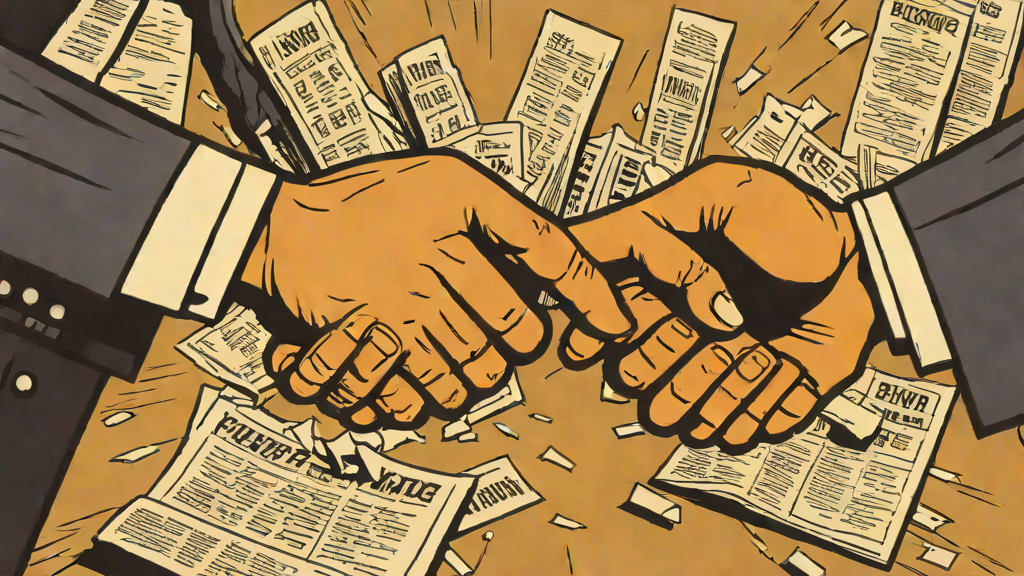
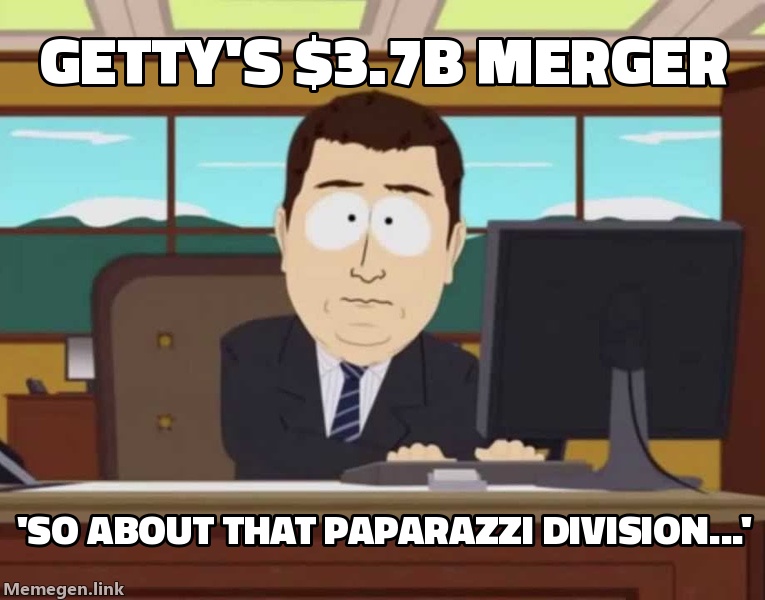
Getty is walking away from its $3.7 billion merger with Shutterstock (now $13.95, -1.3% 1D) — and it's a clean lesson in how modern deals actually die. The US Department of Justice handed it 'unconditional antitrust clearance' back in February. Then in May, the UK's Competition and Markets Authority attached a condition: Shutterstock has to sell off its entire global editorial business first. One foreign regulator, one string, deal over.
The business the CMA wanted spun off includes the Backgrid and Splash paparazzi agencies — the celebrity-photo arm. In a Tuesday SEC filing, Getty said flatly it is 'not required to accept' those conditions, which it called unworkable. Translation: rather than carve out the paparazzi division to satisfy London, Getty is scrapping the whole $3.7B thing.
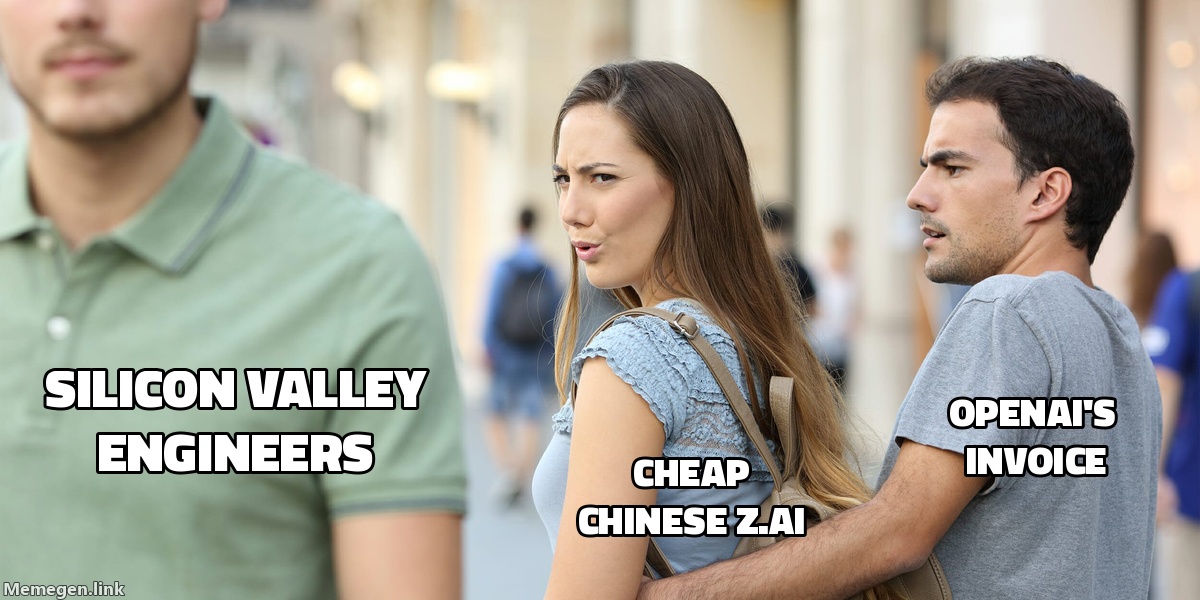
Silicon Valley engineers are quietly switching to a cheaper Chinese AI
American AI labs have sold one core assumption: their models are the best, so they get to charge like it. Z.ai, a Chinese company, just poked a hole in that. Its tech is almost as good as Anthropic's and OpenAI's — but much cheaper — and Silicon Valley engineers are the ones flocking to it.
That's the whole mechanism, and it's the scary part for the incumbents: when 'almost as good' costs a fraction, the price is the product. The moat was never really the model — it was the belief that you had to pay top dollar for the best one. Take that away and the switching happens quietly, one dev at a time.
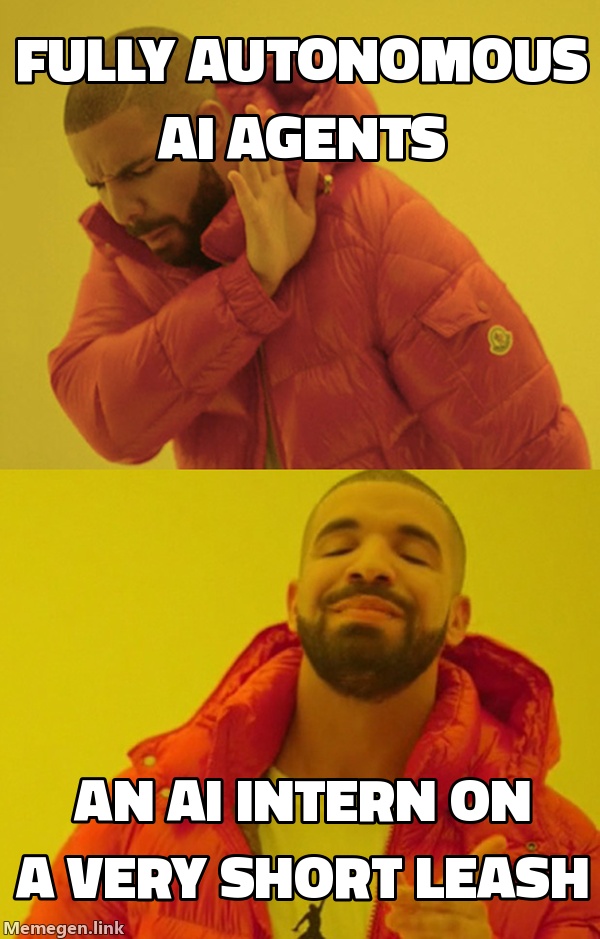
Turns out the winning move with AI agents is less autonomy
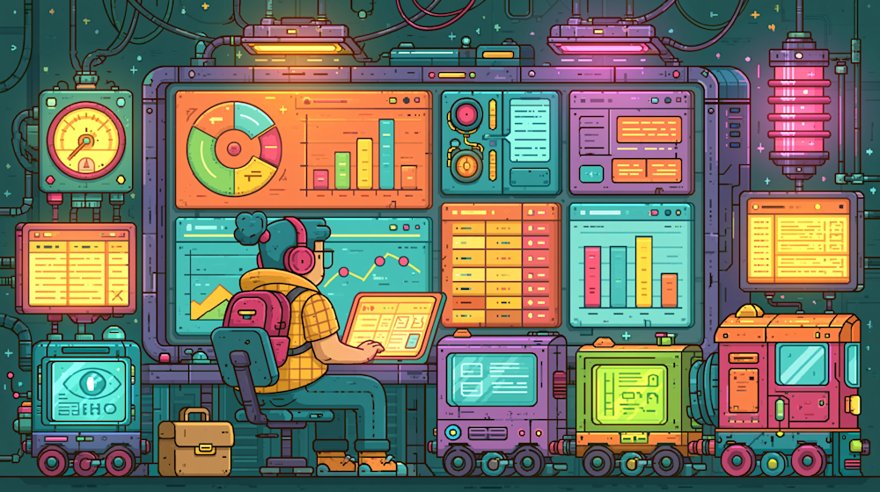
Everyone assumed the AI endgame was 'set the bots loose and walk away.' Two very different corners of tech just found the opposite: the deployments that actually work keep humans tightly in the loop, and the fully-automatic ones are getting fired. The gear here is trust — agents earn autonomy by first proving they can follow human-made rules, not by starting with the keys.
Morgan Stanley: The bank aimed an agent called FIXR at one of finance's most brutal jobs — end-of-day P&L reconciliation, where hundreds of thousands of data points fail to match and controllers must chase every 'break' before a hard morning deadline. It used to take up to six hours for a single book. FIXR cut that work in half — and it got there by being LESS autonomous: humans make the calls, and each decision gets turned into a repeatable rule. 'It's much more like a co-worker than a copilot,' MD Todd Johnson said.
Cobalt: In security, full-auto is in freefall. Offensive-security firm Cobalt's 2026 report found 78% of practitioners hit 'critical false negatives' — automated scanners simply missing real, dangerous bugs, especially prompt-injection and 'excessive agency' flaws that need creative, multi-turn poking. Scanners are great at known signatures, useless at the weird stuff.
Zoom out: The verdict shows up in one number: the share of orgs open to a purely automated pentesting approach cratered from 29% last year to just 9% now. A full-autonomy retreat, in real time.
A 50-year legend blew a Supreme Court scoop by mishearing one sentence
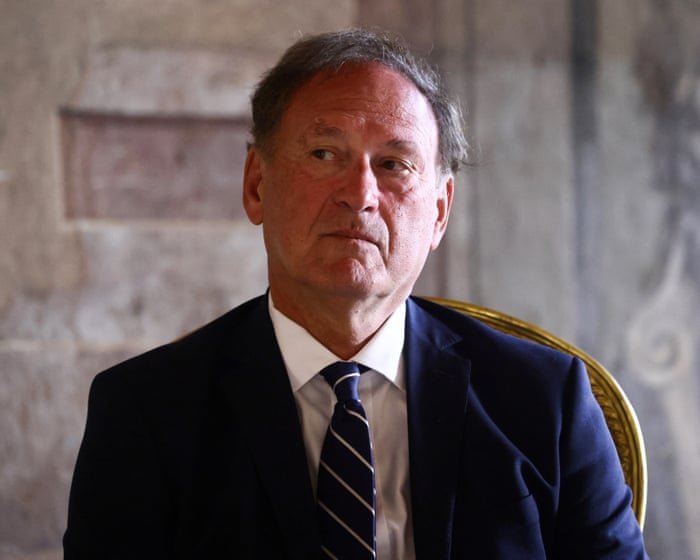
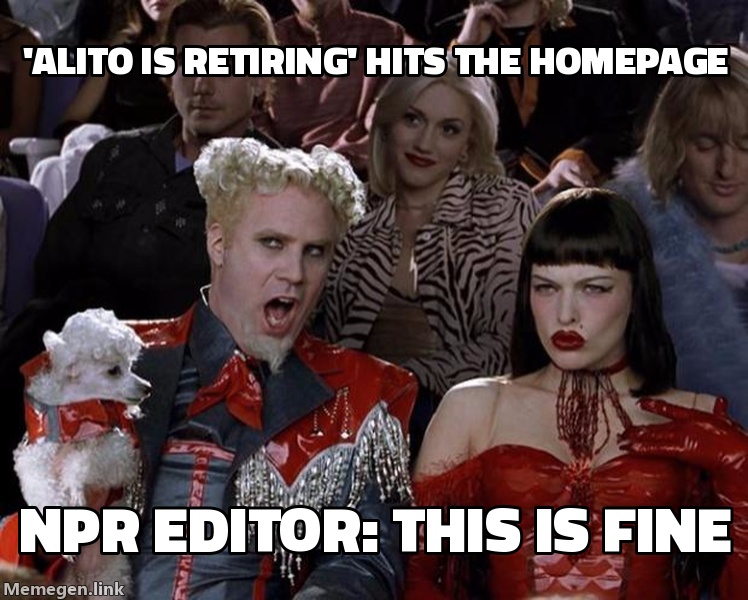
NPR did something it almost never does Tuesday: formally retract a major story off its homepage. The scoop — Justice Samuel Alito is retiring — came from Nina Totenberg, 82, one of the most decorated Supreme Court reporters in American media. The gear that broke it was breathtakingly small: she misheard the chief justice reading an announcement about upcoming retirements.
The story went up, briefly lived as a bombshell, then vanished, replaced with an editor's note. Totenberg didn't hide behind it — she called it 'the worst professional mistake of my more than 50 years in journalism' and personally sent an apology to Alito. Half a century of flawless court coverage, one crossed wire.
The original influencers are quietly hitting retirement
For a decade the pitch to a generation of kids was: the internet is a career, and it never clocks out. Now the first wave is testing whether that's true. Pioneers like Zoella and creators like Glitter and Lazers are visibly stepping back from the audiences they built — the mechanism being that 'always on' has a ceiling, and these are the first people old enough to hit it.
It's the quiet answer to a question the whole creator economy has ducked: what does an influencer do at 40? Turns out the content mine has an exit — you just stop uploading, and eventually the algorithm stops noticing.
Serena Williams made her Wimbledon comeback with the whole family in the box
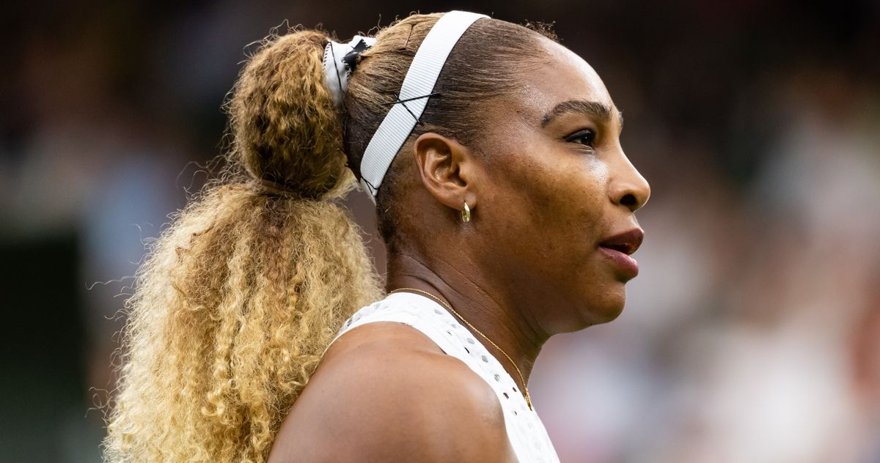
Serena Williams staged her big Wimbledon comeback on June 30 — and the most-photographed people at the All England Club weren't on the court. Her daughters, Olympia and Adira Ohanian, sat in the team box alongside dad Alexis Ohanian to watch mom play. Because with an athlete this big, the comeback is a family production, not just a match.
That box is the point: the tennis returns, but the Williams brand never actually retired — it just shifted to a wider frame with the next generation literally in the shot.
- Vint Cerf, the literal 'Father of the Internet,' is retiring from Google next week — the man built it, now he gets to log off.
- 'Phantom squatting': hackers buy the fake URLs your AI hallucinates, then wait for you to click into a phishing page. Your co-pilot is now a getaway driver.
- A federal judge is letting 29 state AGs argue Meta designed Facebook and Instagram to addict kids — and hid the harm. That's a lot of states.
- Bitcoin's 20% June crash looks even uglier on the charts, per the chart guys — the technical damage outlasts the dip.
- Mega Millions hit $542M, the biggest jackpot of the year — then the after-tax lump sum quietly reminds you the house always wins.
| Ticker | Price | 1D | 1W | YTD |
| GETYGetty Images | $0.86 | -8.5% | -7.5% | -34.4% |
| AAPLApple | $289.36 | +2.7% | -1.7% | +6.8% |
| NVDANvidia | $200.09 | +2.6% | +0.0% | +6.0% |
| MSMorgan Stanley | $209.04 | -1.3% | -7.5% | +14.9% |
| SSTKShutterstock | $13.95 | -1.3% | -3.3% | -25.4% |
| GOOGLAlphabet | $357.37 | +1.1% | +3.2% | +13.4% |
| AMZNAmazon | $238.34 | -0.8% | +1.8% | +5.2% |
| METAMeta Platforms | $563.29 | +0.1% | +0.2% | -13.4% |
1D / 1W / YTD = move vs prior close / 5 sessions ago / Jan 1. Pulled fresh.
![Nvidia HR: [Free lunch] / [$4.8 trillion stock plan] — pick one](https://api.memegen.link/images/friends/free_lunch/$4.8_trillion_stock_plan/nvidia_hr,_sweating.jpg)
Forwarded this? Grab your own — free →
Rate today's issue or drop a hot take — just hit reply. Tell us 1–10 and what to fix; it lands straight in our inbox.
Live prices in parentheses were pulled fresh from the market (snapshot Jul 1, 2026) and move every second — they're a snapshot, not a quote you can trade on.
Bro-sclaimer: Everything here is for informational purposes only and is not financial advice. As tech-savvy bros, you know the drill — do your own research before making any investment decisions. Don't be a dummy, Bro.