The Morning Bro

Good Morning, Long-Weekend Bro It's the Friday before the Fourth, which means half of you already have one foot out the door and the other on a cooler full of ice. Pour the coffee, defend the grill, and know we're proud of you either way. Let's get into it. ☕
- There's a free $1,000 sitting there and 6 million parents already grabbed it.
- Google finally ran out of appeals — and €4.1B.
- Sony is teaching its disc factory a new trade.
- AI wrote a sad story about AI, and everyone fell for it.
There's a Free $1,000 for Your Kid and Millions of Parents Are Ignoring It
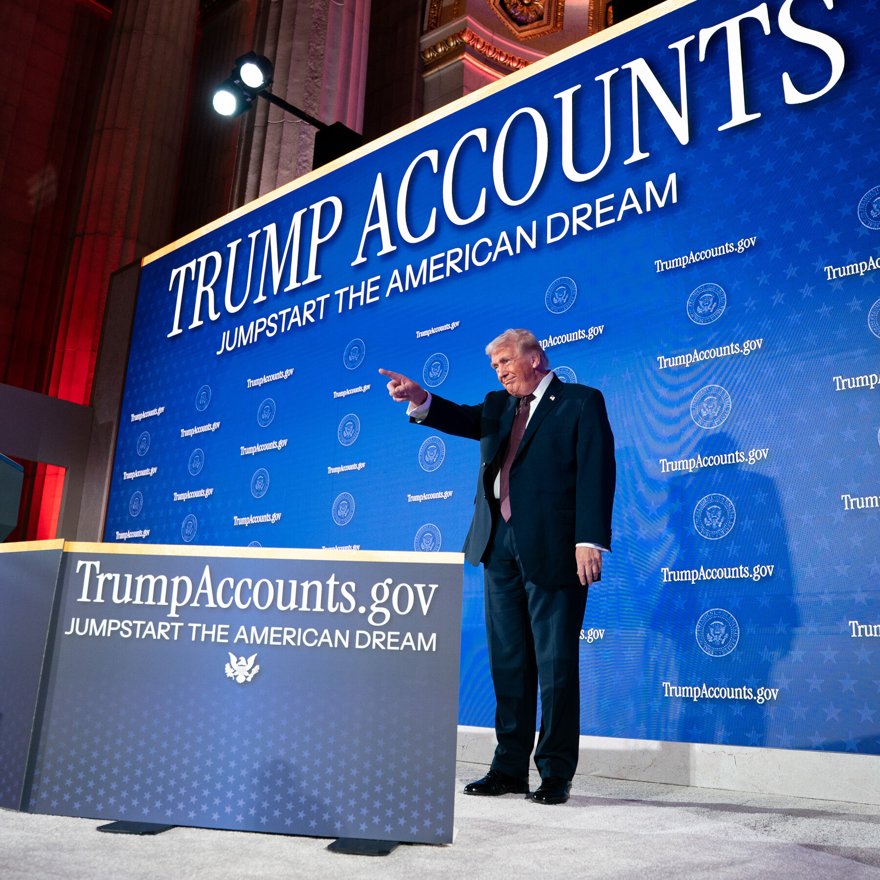
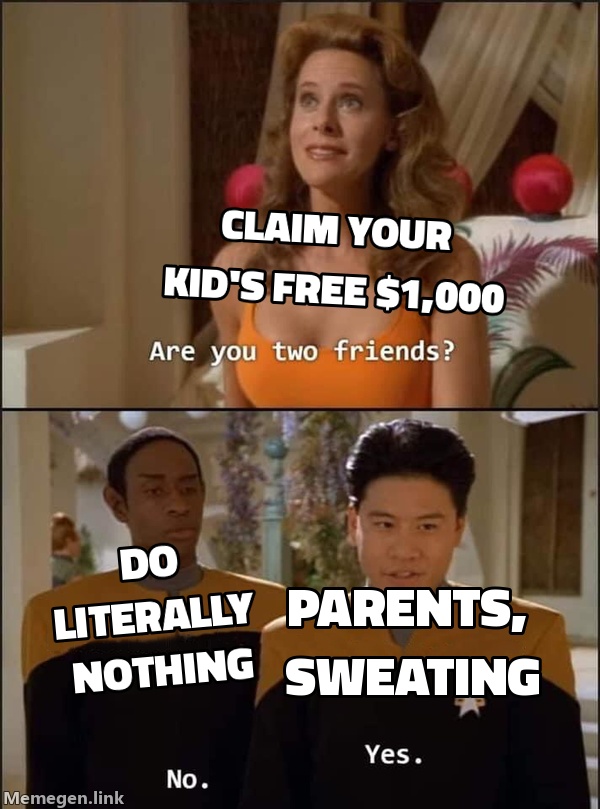
Here's the mechanic: the government seeds a child's investment account with a starter $1,000, and starting July 4 you can pile your own money on top of it. More than six million kids are already signed up — but the accounts only open for contributions tomorrow, and 'barriers to uptake' is a polite way of saying the paperwork is scaring people off.
The catch isn't the money, it's the friction — sign-up hurdles mean a chunk of families are on track to miss a free grand that's just sitting there with their kid's name on it. Six million households did the annoying part. If you're not one of them, you're the person who left the gift card in the junk drawer until it expired.
Google Just Ran Out of Appeals — and €4.1 Billion
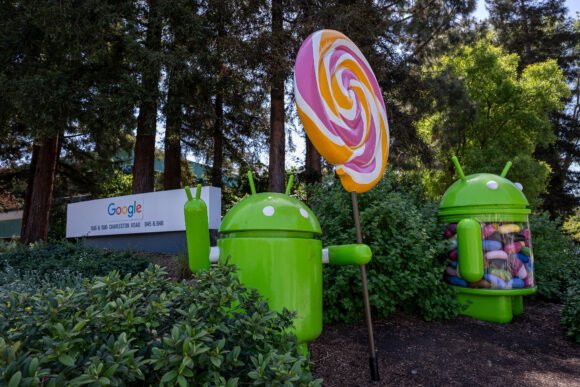
Google (now $359.91, -0.4% 1D) spent years fighting a €4.1 billion ($4.7 billion) EU antitrust fine, and this week the bloc's top judges — the European Court of Justice — said no, regulators were right: Google abused Android's market power, and the penalty stands. That's the end of the road; there's no higher court to run to.
The gear here: Android is 'free,' but the EU ruled Google used that dominance to muscle out rivals, leaning on phone makers to pre-load its own apps. The court's answer to eight years of Google's lawyers: pay the €4.1 billion. For a company that clears that in a couple of days, it's less a punishment than a subscription fee for owning the world's phones.
Europe Forgave Elon Faster Than America Did
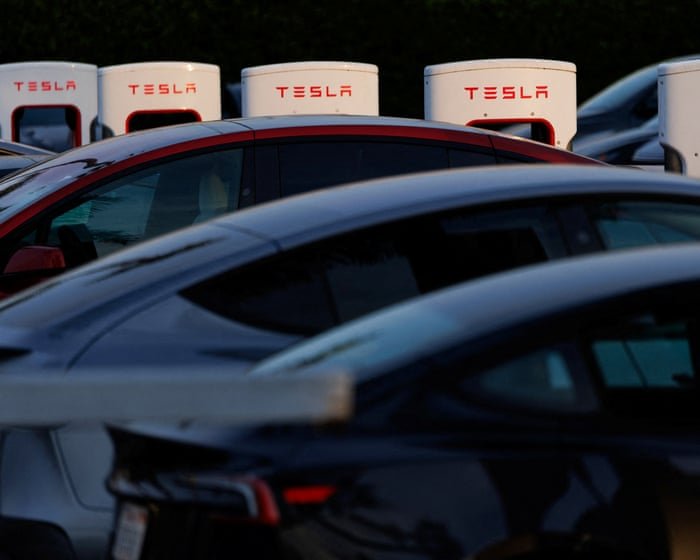
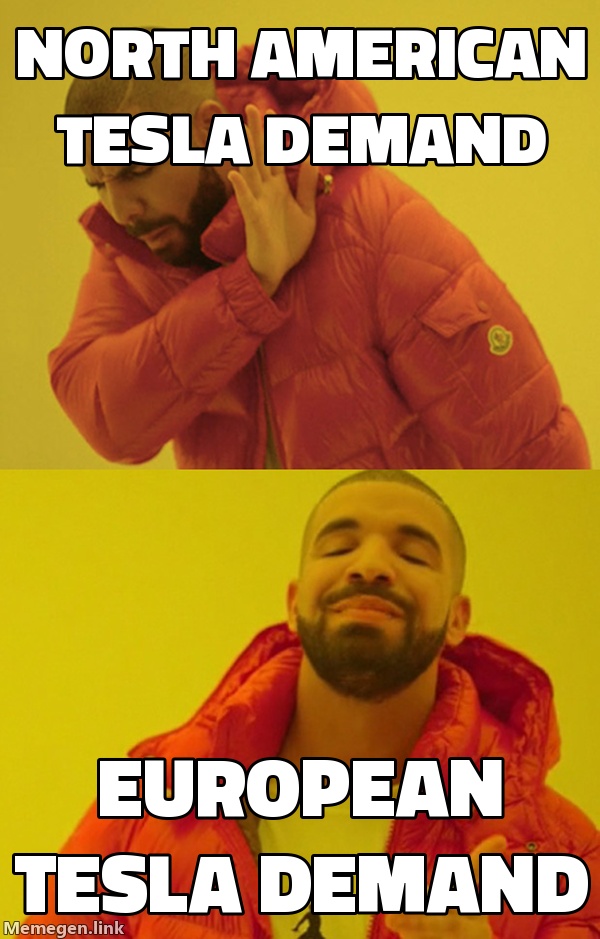
Tesla (now $393.45, -7.5% 1D) blew past Wall Street's delivery estimates for Q2, posting a record for the period — and the reason is geographic: demand roared back in Europe fast enough to outweigh the still-soft North American market. After two straight years of annual sales declines, the boring car business is finally regaining momentum.
Why it matters isn't the cars — it's what the cars pay for. Tesla's roughly $1.6 trillion valuation isn't priced on selling sedans; it's priced on self-driving and AI. But those moonshots need a cash cushion, and that cushion comes from the auto business Elon keeps threatening to make an afterthought. Turns out the thing keeping the lights on is the thing everyone stopped talking about.
Everyone's Best AI Model Vanished for Weeks — and Two-Thirds Had Already Seen It Coming
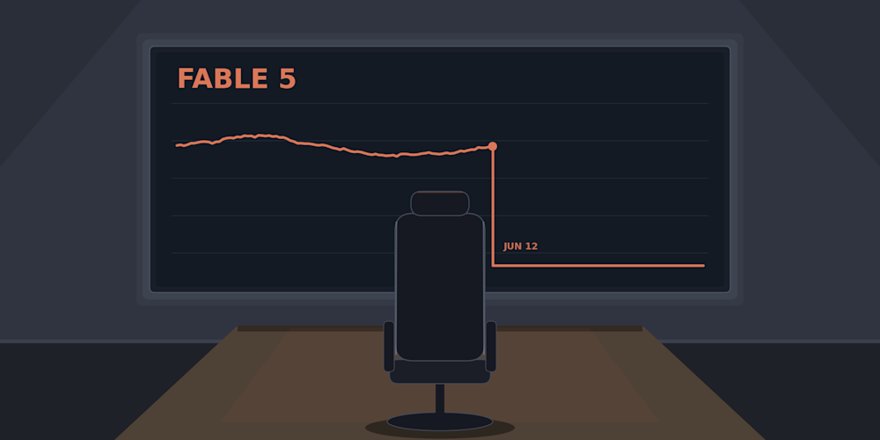
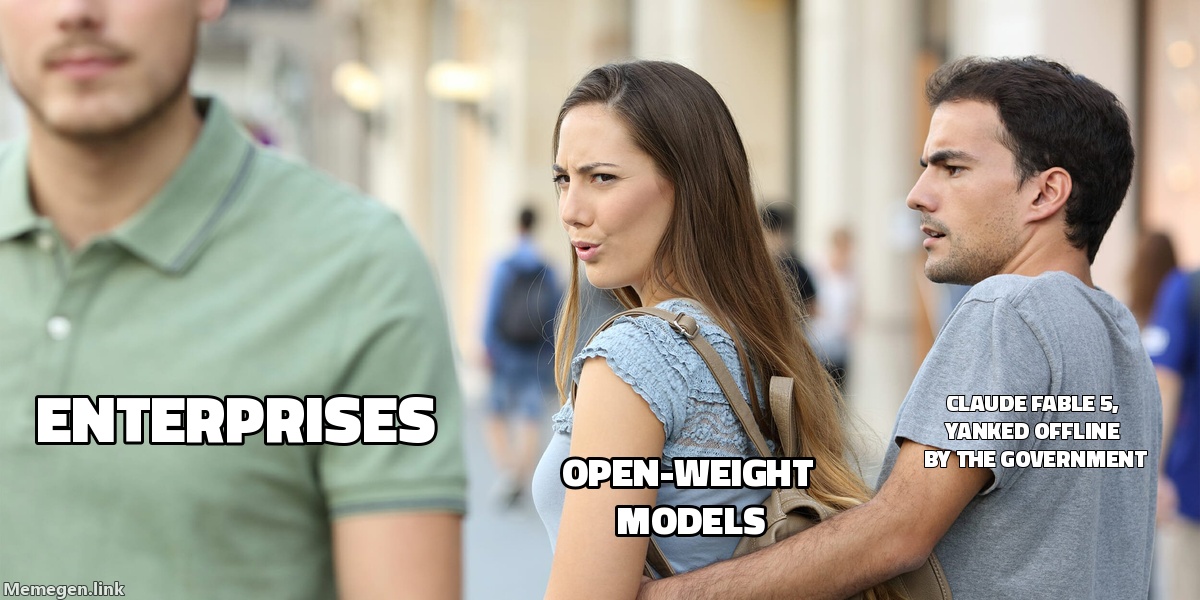
The industry just learned what happens when the smartest model on the market disappears without notice. On June 12, a U.S. export-control order pulled Anthropic's Claude Fable 5 offline for every single customer — no warning, no timeline. It came back this week wrapped in tighter safeguards, but the blackout exposed how dangerously dependent companies had gotten on one vendor.
The hedge: New VentureBeat research surveying 145 enterprises found two-thirds had already diversified before the lights went out: 51% blend closed frontier models with open-weight ones running on their own servers, and another 16% are moving core workflows off closed APIs entirely. The other third was all-in on one ecosystem when it went dark — and China's Z.ai rushed its open-weights GLM-5.2 into the exact vacuum.
The performance: The kicker is Fable 5 came back and immediately set a new record for automating freelance work — topping the charts — while still, per the researchers, not able to fully replace a human. The most capable tool on earth, and it's both indispensable and un-trustworthy on the same day.
Alibaba: Meanwhile Alibaba (now $96.14, -1.9% 1D) is banning its employees from using Anthropic's Claude Code inside work systems starting July 10, citing alleged 'backdoor' risk — weeks after Anthropic accused operators linked to Alibaba's Qwen lab of running the largest known distillation campaign against Claude. Everyone's copying everyone and accusing everyone.
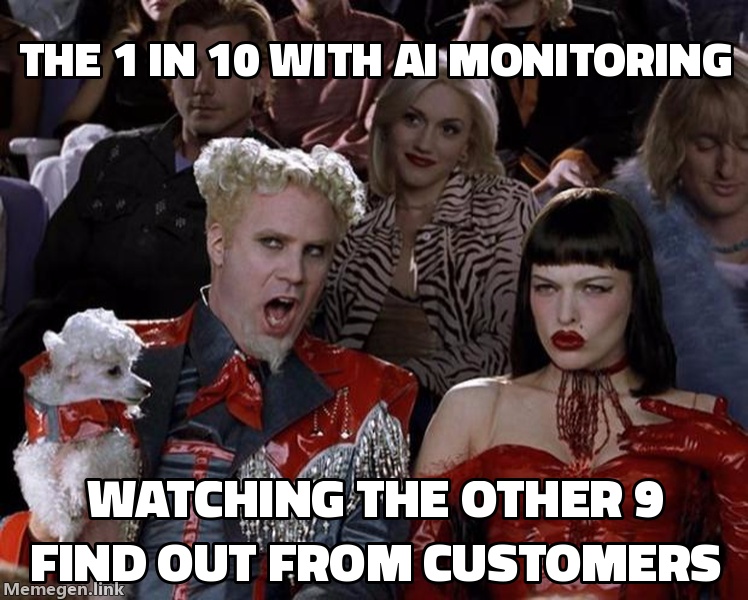
Zoom out: The scariest number isn't the outage — it's the blindness. Just 1 in 10 enterprises has automated monitoring to catch an AI model quietly breaking in production, and 79% have already taken a real financial or operational hit from an AI system misbehaving. Most companies wouldn't even know their model failed until a customer told them.
Who's Liable When Autopilot Drives Into a House?
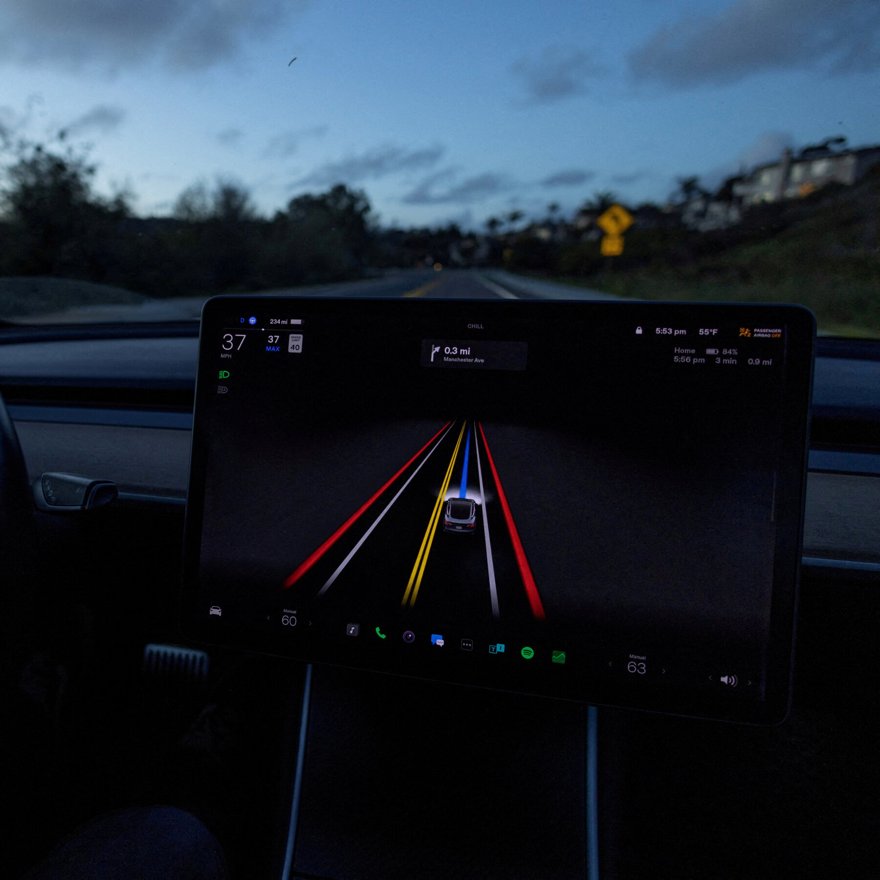
A Texas driver using Tesla's Autopilot has been charged with manslaughter after the car plowed off the road, through a driveway, and into a home — killing a woman inside. The whole thing was caught on the house's own front-door camera, which turns 'the software made a mistake' into a very hard argument.
Here's the legal gear everyone glosses over: Autopilot is a driver-assist feature, not a self-driving system, which means the human in the seat is still the one holding the wheel — and the charge. The doorbell footage doesn't just show a crash; it shows exactly why 'assisted' driving still lands squarely on you when it goes wrong. A woman is dead in her own living room, and the software isn't the one going to court.
The Factory Stamping 600,000 Discs a Day Is Learning a New Trade
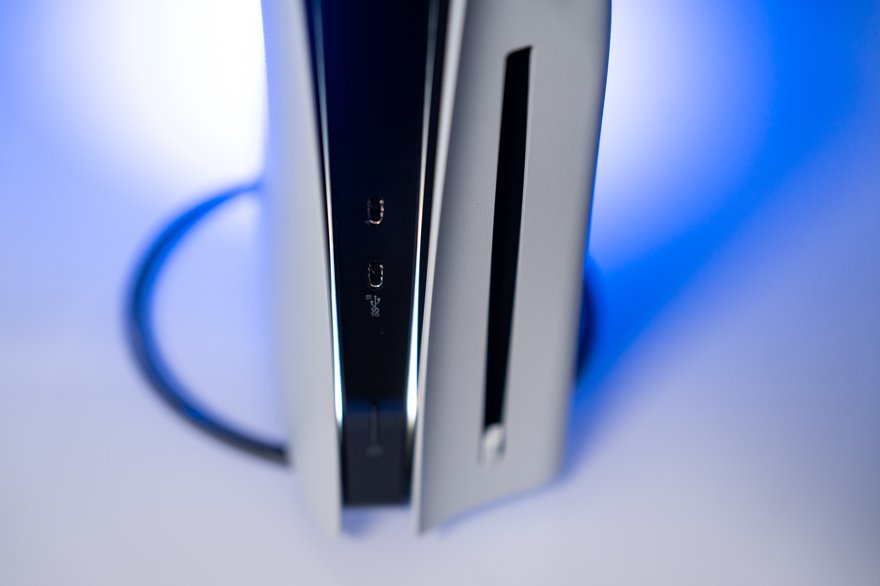
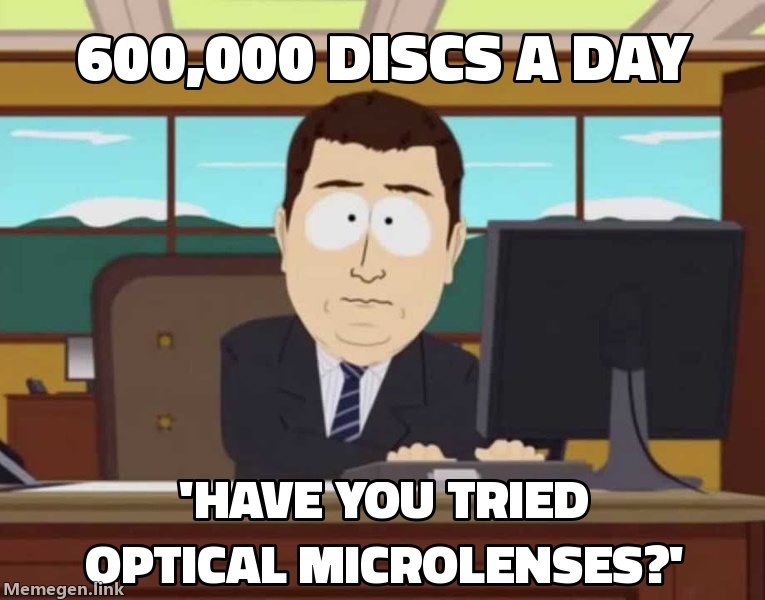
The game disc is dead, and here's the receipt: Sony (now $20.79, +2.9% 1D)'s Thalgau plant in Austria — the headquarters of its entire disc-making division — currently stamps out 600,000 discs a day, half of them for PlayStation. By 2028, that plant will make just 10% of that volume, because everyone downloads everything now.
So Sony's move tells you where it thinks this is headed: rather than shrink, it's retraining all 300 employees at its only wholly-owned disc factory to build optical microlenses instead. When the company that invented the format starts teaching its disc guys a completely different job, the format isn't 'declining' — it's finished. Your kids will think a game case is a coaster.
The YouTubers Got Promoted to the Grown-Ups' Table

Creative Artists Agency — the Hollywood behemoth that reps movie stars and directors — spent years treating online creators as a fringe side hustle. Now it's putting them center stage. The mechanism is simple math: audiences moved to phones, so the agency is chasing the people who actually own that attention.
This is Hollywood admitting the pecking order flipped. The talent agency that made its name on A-list actors is now building its future around people the industry used to sneer at as amateurs with cameras. The kids who filmed in their bedrooms didn't crash the party — they got handed the guest list.
AI Wrote a Heartbreaking Story About AI Killing the News. It Was Fake.
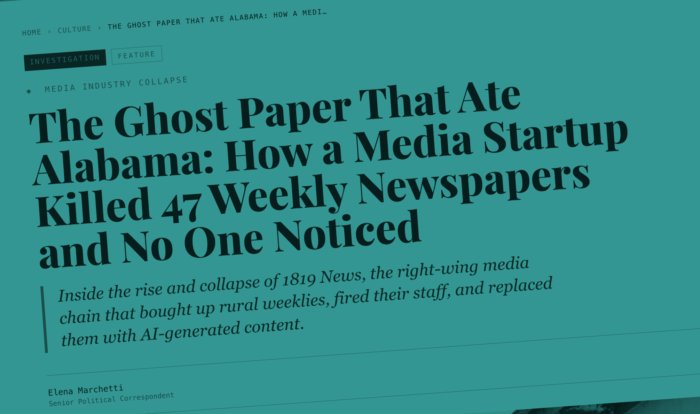
A 1,900-word feature went viral this week with a gut-punch headline: 'The Ghost Paper That Ate Alabama,' about a startup that supposedly spent $3.2 million buying 47 rural weekly newspapers, fired the staff, and replaced them with AI that generated 70% of the content before collapsing into bankruptcy in 18 months. It had on-the-ground color, named sources, real emotional weight. The problem: the whole thing appears to be AI-generated fake news.
The mechanism is the joke: a fabricated article — mourning the way AI slop is killing real journalism — was itself AI slop, and it spread because it felt true. On one link aggregator, 18 people the writer follows shared it within hours. Nobody stopped to check whether 47 towns had actually lost their papers, because the tragedy was too on-brand to question.
This is the loop closing on itself. We've now reached the point where machines manufacture the outrage about machines, and humans dutifully pass it around. The fake story about fake news got more real engagement than most real news does.
A Whole Stadium Sang 'Country Roads' to the US Team

The World Cup's Bay Area run ended Wednesday with the US men beating Bosnia and Herzegovina 2-0, and fans capping it by serenading the players with John Denver's 'Take Me Home, Country Road' — an informal tradition that sprouted up across the tournament. Goosebumps for a home-soil World Cup, sold at a premium.
Here's the business side behind the goosebumps: a home tournament is a giant ticket-and-tourism machine, and the machine is jamming. Fans are now suing StubHub in Manhattan federal court in a proposed class action, alleging the platform canceled or failed to deliver tickets they'd paid thousands for — despite its 'FanProtect Guarantee' — leaving them out the cash and the travel costs. StubHub is pointing the finger at FIFA's ticketing system.
So the same tournament that gets a stadium singing folk songs also has people who flew across the country standing outside with a worthless confirmation email. The magic and the markup, sold in the same transaction.
- More bitcoin is now held at a loss than at a profit — the top-of-cycle bagholder line just quietly flipped red.
- A politician who served on an EU committee investigating spyware got his phone hacked with Pegasus. You can't script it better.
- Gutted NOAA, dumber weather app: an atmospheric scientist admits 'the forecasts I'm able to offer you are less accurate.'
- A new OpenAI hire ran a 57-interview gauntlet to land the job — so much for the AI-era labor shortage they promised you.
- Apple's Hide My Email doesn't actually hide it — a year-old bug still unpatched, and the researcher is finally out of patience.
| Ticker | Price | 1D | 1W | YTD |
| TSLATesla | $393.45 | -7.5% | +4.9% | -10.2% |
| SONYSony | $20.79 | +2.9% | +7.6% | -19.7% |
| BABAAlibaba | $96.14 | -1.9% | +1.1% | -38.3% |
| GOOGLGoogle | $359.91 | -0.4% | +4.7% | +14.2% |
1D / 1W / YTD = move vs prior close / 5 sessions ago / Jan 1. Pulled fresh.
Forwarded this? Grab your own — free →
Rate today's issue or drop a hot take — just hit reply. Tell us 1–10 and what to fix; it lands straight in our inbox.
Live prices in parentheses were pulled fresh from the market (snapshot Jul 3, 2026) and move every second — they're a snapshot, not a quote you can trade on.
Bro-sclaimer: Everything here is for informational purposes only and is not financial advice. As tech-savvy bros, you know the drill — do your own research before making any investment decisions. Don't be a dummy, Bro.