The Morning Bro

Good Morning, Hump-Day Hydrated Bro It's Wednesday, the week is officially half over, and your coffee is doing load-bearing work. Drink some water too, your future self will send a thank-you text. Let's get into it. ☕
- Congress flipped. The stock market cared more about one Texas governor.
- AMD says the AI chip buying spree isn't slowing down.
- A $6.3B crypto heist started with a fake job interview.
- Your cheap TV box might have been renting out your Wi-Fi.
Democrats took Congress, and the market's biggest worry was a Texas data center ban
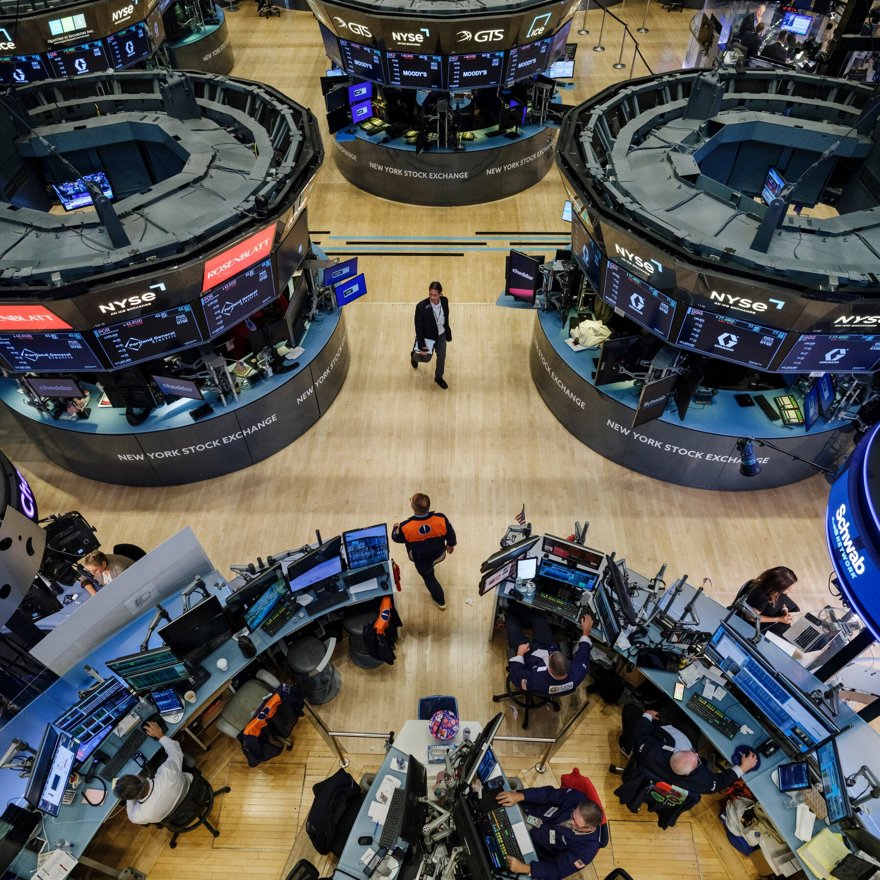
Voters handed Democrats control of the House and the Senate on Tuesday, and stock futures dipped overnight before climbing back. The reason it stayed small says a lot: investors aren't pricing who runs Washington. They're pricing whether anyone slows down the AI data center boom that has carried this rally.
The futures: By 2:21 a.m. ET Wednesday, S&P 500 futures were -0.2% and Nasdaq futures were -0.3%, and both had recovered from steeper losses earlier in the night. If you have $10,000 in an index fund, that works out to about $20 of election-night drama. The market treated the biggest political shift of the cycle like a mild sneeze.
Texas: This was the result that actually rattled investors. Democrat Gina Hinojosa beat Gov. Greg Abbott, and she has called for a moratorium on new data centers. The chain works like this: fewer permits means fewer data centers get built, which means fewer chips get ordered, which hits the AI trade that has been holding up the whole market. One governor's race in the state that has been building a lot of these facilities moved the needle more than the fight over control of Congress.
Tech stocks: Tech had already been through a selloff on Tuesday over AI spending before it recovered that afternoon, and the election didn't appear to have a huge impact. The worry that predates the vote is still the main one: Big Tech is spending a fortune on AI, and investors want proof it pays off. More AI regulation from a Democratic majority adds to that worry. It didn't create it.
The banks: Democrats won races in deep-red states, and that means years of oversight for banks. When a party controls the committees, it decides who gets called to testify and what gets investigated. The stock market got through the night fine. Bank executives now have a lot of hearings ahead of them.
Zoom out: Investors bought safety quietly. Treasuries rallied, the 10-year yield fell to around 4.93%, and the dollar index slipped -0.2%, with the euro +0.4% against it. That's how traders hedge when they aren't panicking. The political story was Congress. The money story was whether data centers keep getting built.
AMD made $13.4B last quarter and says $17B is next

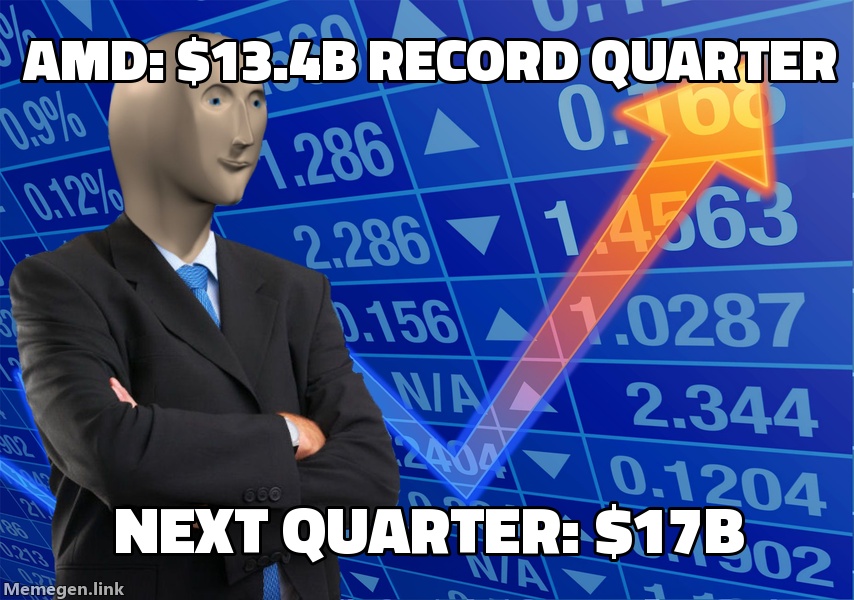
AMD (now $483.90, +3.6% 1D) reported a record $13.4 billion in revenue for Q3 2026, and CEO Lisa Su called it the largest and most profitable quarter in the company's history. Most of that came from data centers. When companies decide to build AI, they order huge numbers of AMD's chips, and that spending shows up directly in AMD's revenue.
Data centers brought in $8.5 billion of the $13.4 billion, which is about 63 cents of every dollar. AMD is now guiding to $17 billion next quarter, roughly +27% on top of a quarter that was already a record. Su also said revenue should grow more than 80 percent in 2027, with data centers as the largest contributor.
Here's why this matters for the AI-spending worry. The selloffs are about whether all that AI spending will ever earn its money back. AMD's numbers show the spending itself is still accelerating. The companies selling the chips get paid either way, whether or not their customers ever profit from AI.
The $6.3B Binance heist started with a job interview

North Korean hackers posed as employers, invited a Binance software engineer through a fake job interview process, and got him to download malware onto his work-issued computer. That one infected laptop became their way into Binance's systems, and it led to the record $6.3 billion theft on October 29.
Binance: This was set up months in advance. In June, one of Binance's engineers downloaded a malicious Homebrew installation. The security team caught it, replaced the device, and changed all the affected passwords and keys. But the hackers had already learned who worked on Binance's wallet infrastructure team, so they knew exactly which people to target next. Binance's report lists fake job interviews, malware, compromised internal AI tools, taking over individual computers, and an advanced transaction-authorization method. Its own description: not a single isolated breach or a simple phishing incident.
North Korea: Over the weekend, the FBI attributed the theft to TraderTraitor, a North Korean hacking group linked to Lazarus Group. The group is known for job-market scams in both directions: it gets its people hired at Western companies as IT workers, and it poses as employers to trick engineers into installing malware. Pyongyang's response to the accusation was to launch missiles toward the sea, part of a recent increase in weapons tests that is likely meant to strengthen its hand in any future talks with the US.
Zoom out: The hackers didn't need to break any encryption. They needed one engineer who was interested in a new job. That's $6.3 billion stolen through a hiring pitch, which makes it the most expensive job interview on record.
Is it really a choice if saying no to AI costs a school Google Search?
Google (now $280.03, +0.4% 1D) is making it easier for schools to limit its AI tools for students. The catch is that schools that block AI completely will lose student access to Google's search engine.
Here's how that works in practice. Search and AI are being packaged together, so a school's real options are to take some AI or to lose the most-used research tool in the classroom. Few school districts are going to pick the second one. Google gets to call this a choice while setting it up so the answer is almost always the same.
1.3 million TV boxes had a side hustle. The owners weren't getting paid.
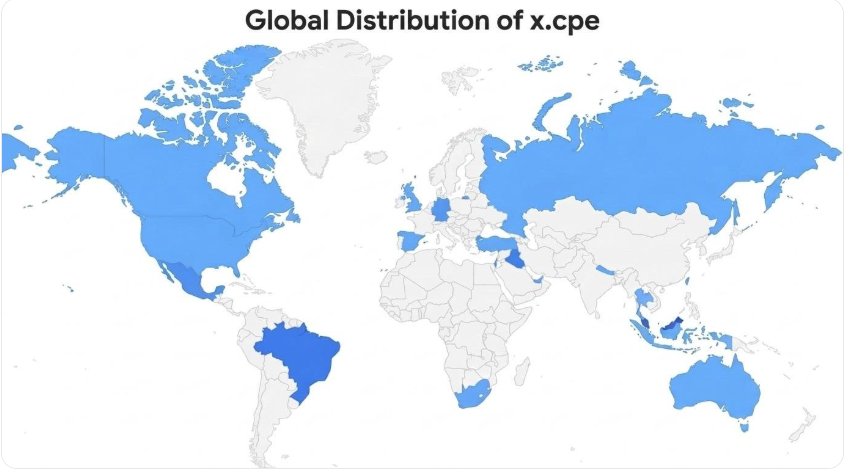
Google and industry partners took down a botnet of more than 1.3 million Android TV boxes that came from the factory with malware already installed. The boxes quietly rented out their owners' internet connections to strangers and ran advertising fraud, all while people used them to stream TV.
Videostrong: Google says it has high confidence that Chinese TV box maker Videostrong Technology built the backdoor, called XCPE, and ran it to make money. The company sold access to criminal partners, who installed their own malware on the boxes. Google has cut ties with Videostrong. These were certified Android TV boxes, so the usual advice about not clicking suspicious links wouldn't have helped. The malware was there before anyone opened the box.
The mechanism: The malware listed each owner's home internet address for rent through residential proxy services. Those services let customers borrow your connection so their traffic looks like it's coming from you. Buyers use that to hide where they really are, take over accounts, commit ad fraud, and scrape websites in bulk for AI projects. Any of that activity could be traced back to your address.
Zoom out: Experts say the takedown should also cut the botnet's access to more than 10 million other compromised devices, including Android-based healthcare equipment and karaoke machines. The takedown disrupted the botnet, but the backdoor is still in the firmware of infected boxes. If you think you have one, disconnect it and ask the seller for a fix or a replacement.
Can 1.1 million movie subscriptions pay off $4 billion in debt?

AMC's A-List plan lets more than 1.1 million members reserve up to four movies a week, including IMAX and Dolby, for about $24 to $30 a month depending on the state. Members now account for 20% of U.S. attendance. The plan works for AMC because most people don't use it anywhere near the maximum.
Members could see as many as 17 movies a month, but the typical member sees two or three. That's how the math works out for AMC: subscribers roughly break even or come out a little ahead, and AMC gets a reliable monthly payment plus their popcorn spending. One 25-year-old saw six movies last month that would have cost about $150 at full price. He paid $29.99. AMC can afford that because most members are going twice a month, not six times.
Business is up. Second-quarter revenue hit $1.60 billion, +14.2%, the best quarter in AMC's 106-year history. Attendance rose +13.5% to 71.3 million, and food and drink sales grew +15.3% to $576.1 million. AMC still lost $11.4 million that quarter, because interest payments on roughly $4 billion of debt ate the gains. For all of 2025, it lost $632 million on $4.85 billion in revenue.
AMC launched A-List in 2018 as its answer to MoviePass, and membership has more than doubled in the past five years. The subscription works. The debt is what keeps AMC from turning a profit.
A Murdoch-backed studio boss says TV needs YouTubers more than YouTubers need TV

The CEO of After Party Studios, a production company backed by Elisabeth Murdoch, says broadcasters need content creators more than creators need them. Unless the pay or exposure is high, creators are not that interested in TV.
The reason is simple. Audiences moved to creators, and the leverage moved with them. Creators like KSI already have millions of viewers on their own channels, so a TV deal only makes sense if it pays more or reaches more people than they already get. APS was founded 10 years ago and makes shows with stars like KSI and F1 driver Max Verstappen that pull in millions of views. Its whole business is built on TV needing creators more than the other way around.
For the reader, this explains why your favorite YouTuber now gets offered TV shows and often turns them down. Ten years ago, a TV deal was the big break for an online creator. Now creators are the ones broadcasters are chasing.
The Brewers compete with big spenders by using better data

Mike Petriello, MLB's Director of Stats and Research, explains how small-market teams like the Milwaukee Brewers use Statcast, plate discipline, player development, and tailored matchups to compete with the sport's biggest spenders.
The idea is to win with information instead of money: measure swing path and pitch shape, find hitters who don't chase bad pitches, and develop players rather than paying for stars. He also covers the data behind Shohei Ohtani's postseason struggles. His caveat is the useful part: analytics only matter when coaches and players can actually put them into action.
| Ticker | Price | 1D | 1W | YTD |
| AMDAMD | $483.90 | +3.6% | -13.6% | +116.5% |
| AMCAMC Entertainment | $3.28 | +2.8% | +9.7% | +103.7% |
| GOOGLGoogle | $280.03 | +0.4% | -12.7% | -11.1% |
1D / 1W / YTD = move vs prior close / 5 sessions ago / Jan 1. Pulled fresh.


Forwarded this? Grab your own — free →
Rate today's issue or drop a hot take — just hit reply. Tell us 1–10 and what to fix; it lands straight in our inbox.
Live prices in parentheses were pulled fresh from the market (snapshot Nov 4, 2026) and move every second — they're a snapshot, not a quote you can trade on.
Bro-sclaimer: Everything here is for informational purposes only and is not financial advice. As tech-savvy bros, you know the drill — do your own research before making any investment decisions. Don't be a dummy, Bro.