The Morning Bro

Good Morning, Fun-Size Snickers Bro It's Friday and Halloween is tomorrow, which means the candy bowl at work is now legally community property and you're the community. Grab a coffee, grab three Kit Kats, nobody's counting. Let's get into it. ☕
- One laptop. $6.3 billion. Crypto had a week.
- Europe's top banker quit so she could finally talk.
- The law that killed surprise bills got its own surprise bill.
- Picard happened because a TV guy went to a Shakespeare lecture.
Europe's top central banker is quitting so she can finally say what she thinks
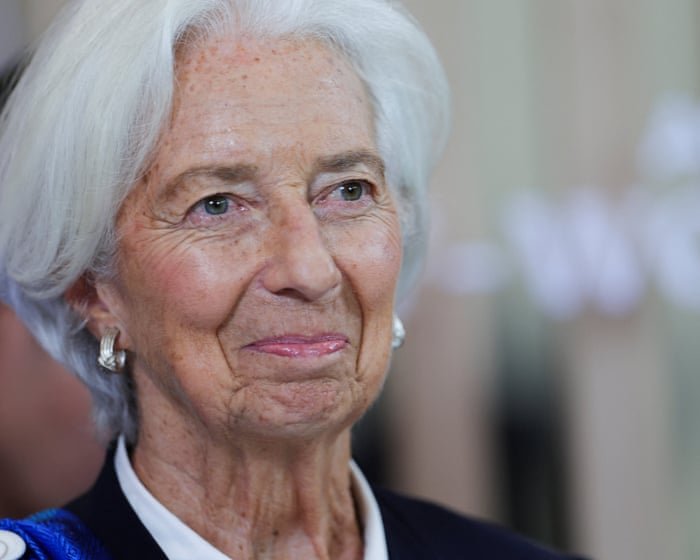
Christine Lagarde will leave the European Central Bank next February instead of October next year, nine months early. Her reason is the job's neutrality rules, which kept her from influencing debate on financial and economic affairs.
Here's how that works. When you set interest rates for the whole eurozone, every offhand comment gets read as a hint about borrowing costs. So the job comes with an unwritten rule: say nothing interesting, ever. Lagarde says she now wants to speak her mind on world affairs and confront the “misrepresentation of the truth.” She's also floated as a possible candidate to run the World Economic Forum.
Why you care: The person who decides what money costs across the eurozone is now a job opening, months ahead of schedule. Whoever gets it inherits the same rule of saying nothing. If you own an international fund, that new boss's first few speeches matter to you whether you like it or not.
Congress planned for 17,000 medical-bill fights a year. It got over 2 million.
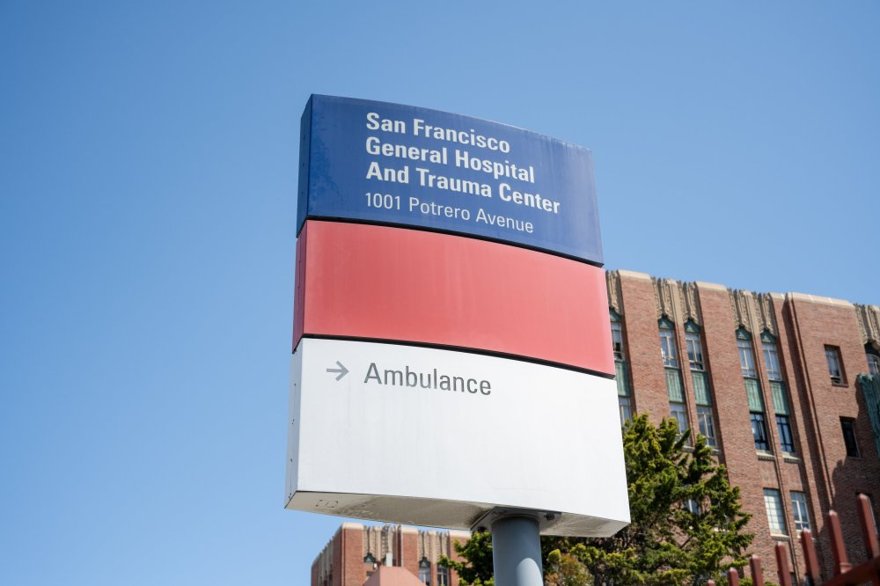
Before 2022, an out-of-network ER could send you a “balance bill” for whatever your insurance didn't cover. That happened after roughly 20% of inpatient emergency visits. The No Surprises Act took you out of that fight: you pay in-network prices, and the hospital and your insurer settle the rest between themselves.
The old problem was real. Roughly 40% of air ambulance rides produced a surprise bill averaging almost $20,000, and about two-thirds of Americans told a 2020 poll they were worried about unexpected medical bills. The law mostly fixed that for patients.
Here's the catch. When the provider and the plan disagree on a price, they now go to a dispute process. A small number of out-of-network providers figured out that the process pays well, so they keep filing. By one estimate, arbitration alone has cost health plans $22.4 billion in the law's first four years. Plans don't absorb that. It shows up in coverage costs for employers and individuals.
Why you care: You stopped getting the surprise bill. Now it's spread across everyone's premium instead, including yours, and it lands in your paycheck deduction.
How does one laptop lose $6.3 billion?
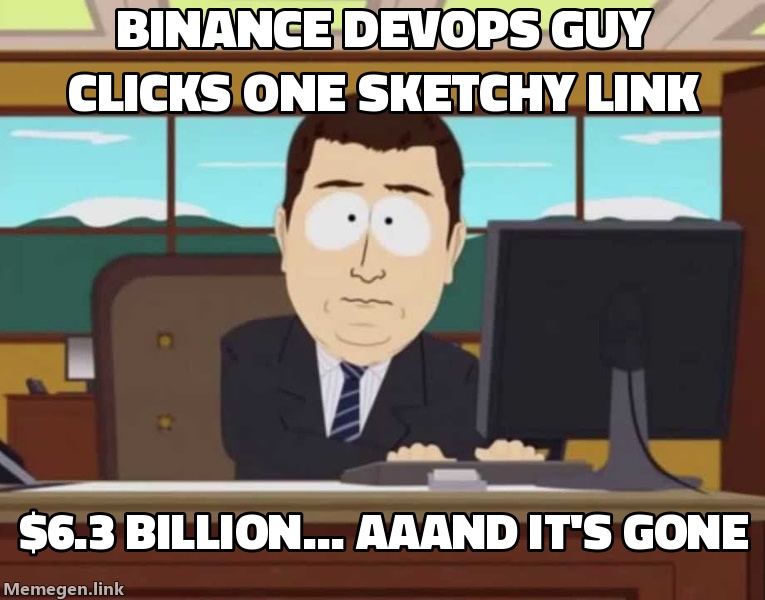
Crypto just had its worst week in memory. The biggest crypto hack ever, estimated at about $6.3 billion, didn't crack a vault. It went in through one DevOps engineer's compromised laptop.
Binance: The world's largest crypto exchange says the laptop gave an attacker access to a service container, which is the internal software that sends withdrawal requests. The attacker used it to submit unauthorized withdrawals. Binance says it found no evidence that any wallet private keys leaked. The keys were never stolen. The attacker took over the machine that's allowed to use them. About $3 billion has been frozen on-chain so far, and Binance says it will cover all losses from its SAFU fund and company money.
The suspects: Elite North Korean hackers are being blamed for the job. The hacker is already offloading the haul: dumping a little-known 2017 token crashed it about -90%. Selling a big pile into a market with few buyers makes the price collapse.
Polymarket: The prediction market temporarily halted trading Thursday over a suspected breach of its own. There's no evidence the two incidents are related. It just happened the same day.
Zoom out: Of the roughly $6.3 billion hit, about $3 billion is frozen, which leaves around half still loose. Binance paused withdrawals and expects to resume within 48 hours. If your coins sit on an exchange, you don't really hold them. You hold an IOU, and this week that IOU depended on one person's laptop.
Malaysia is where the chip war actually gets tested
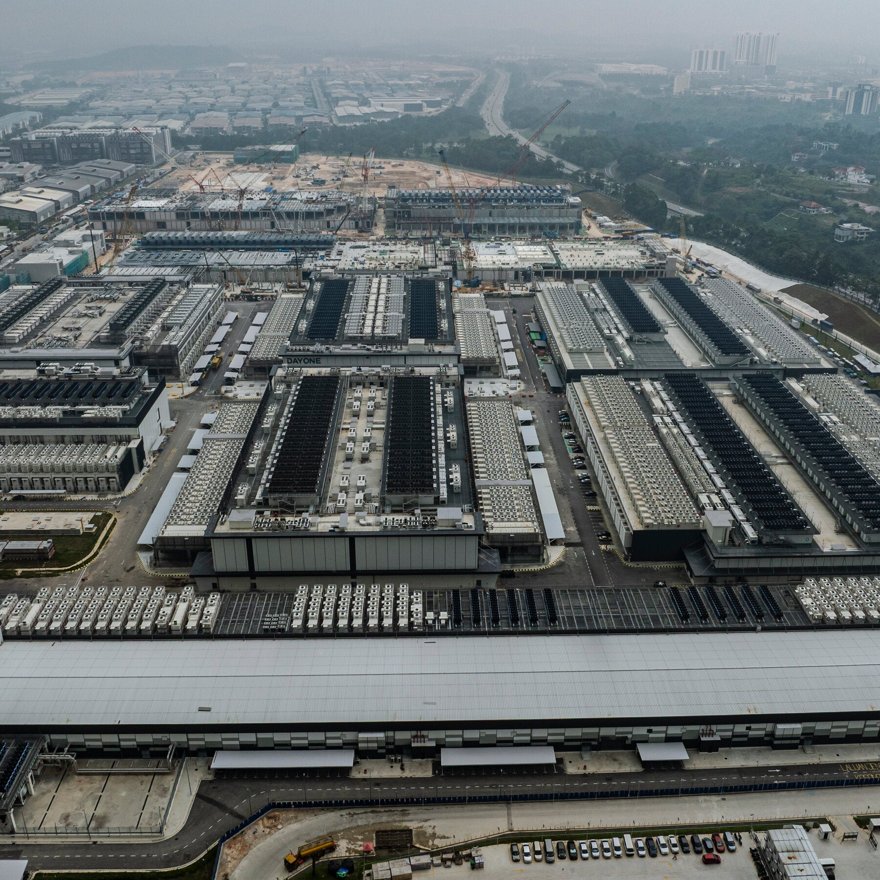
American and Chinese tech giants are both pouring billions into huge data centers in Malaysia. The buildout is straining local resources and testing the limits of Washington's restrictions on advanced chips.
The rules decide where certain chips can go. Building the data center in a third country is how both sides test where those rules stop. Until we have real numbers, this is a story to watch, not a full card.
Patrick Stewart got Picard because a TV producer wandered into his Shakespeare lecture
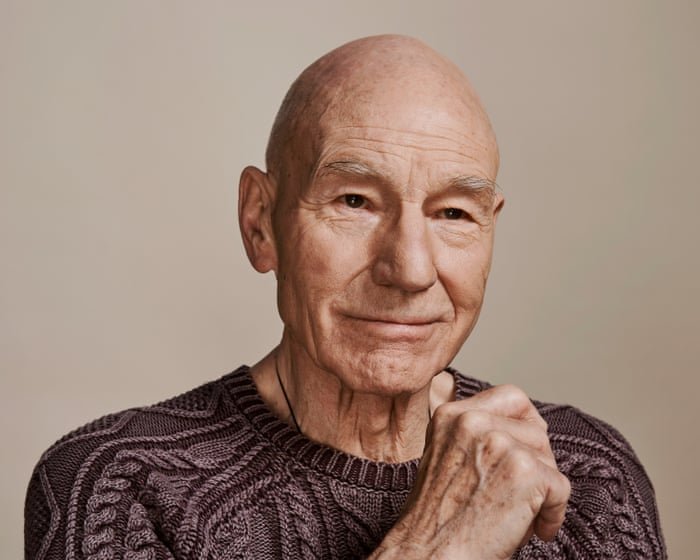
Sir Patrick Stewart died Wednesday at his home in Los Angeles at 86, after what his spokesperson called “a brief and poignant journey with Alzheimer's disease and Lewy body dementia.” The role that made him famous came from being in the right room, not from any casting plan.
The lecture: Stewart was largely unknown on screen. He was in LA teaching Shakespeare master classes as a favor to a friend, a university professor. One evening he gave a public lecture and performed scenes. A producer developing a new Star Trek series was in the audience and persuaded him to audition. Stewart later wrote that he knew “next to nothing” about the franchise.
The doubt: Creator Gene Roddenberry wasn't keen to hire him at first. Stewart assumed it would be a short gig. He wondered how a show could work with “a middle-aged pacifist captain with a French name and a British accent.” On set, when co-stars joked around between takes, it quietly infuriated him. “I could be a severe bastard,” he wrote.
Zoom out: That short gig became The Next Generation, four feature films, X-Men, and a return in the Picard spinoff that ended on a hopeful note. Nearly 40 years of the most trusted captain on TV came from a night he was there just to teach Shakespeare.
The former Star Wars boss is running the LA Olympics ceremonies. Please, no trilogy.
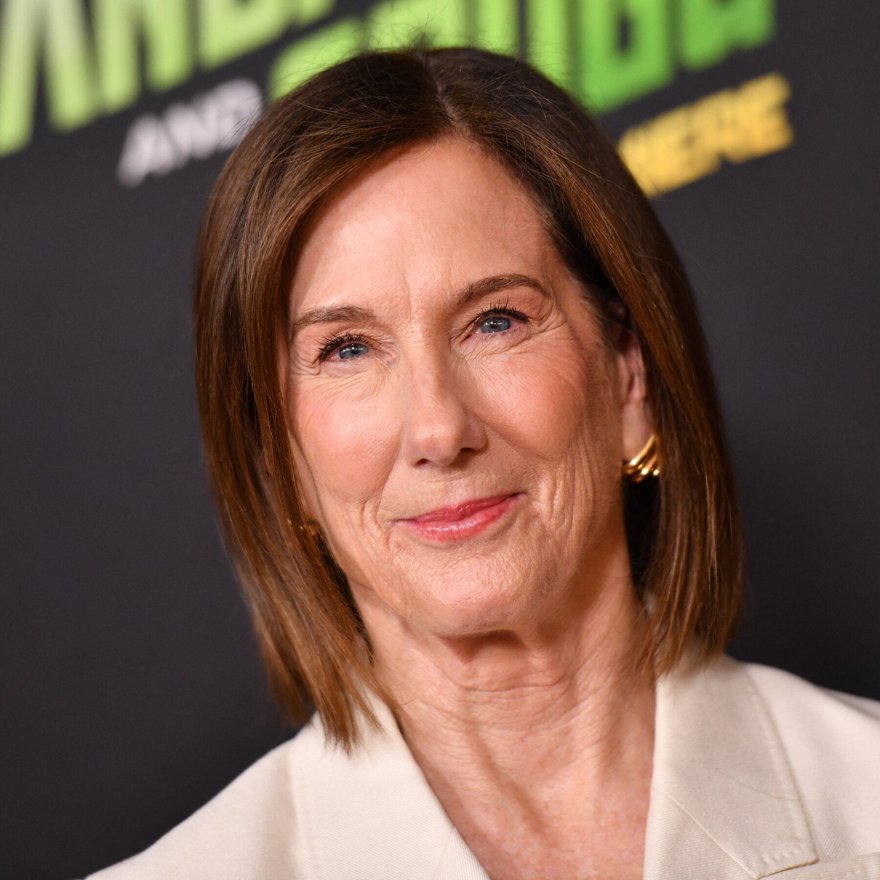
Kathleen Kennedy, who led Lucasfilm for nearly 14 years, will orchestrate the opening and closing ceremonies of the 2028 Summer Olympics.
Here's the logic. A ceremony is one giant live production where the host city sells itself to the planet in a single night. So LA hired someone who spent nearly 14 years running one of the biggest entertainment franchises around, not a sports-event planner. It's two nights, on home soil, with no do-overs.
- Pope Leo XIV, the first American pope, requested a mail-in ballot. He could be the first sitting pontiff to vote in a U.S. election. Even the Vatican does early voting.
- A hacker leaked data on 40,000+ DHS employees, including staff at CISA, the cybersecurity agency. Awkward.
- Researchers built a fake startup just to lure fraudulent North Korean IT workers into applying. The job posting was the trap.
- A Chinese startup built an AI laser that shoots mosquitoes, with “safety concerns” for anyone standing nearby. So, everyone.
- Rian Johnson launched Chromagraph Camera, an app that gives your iPhone photos his films' color grade. Your brunch now looks like a suspect.
| Ticker | Price | 1D | 1W | YTD |
| COINCoinbase | $160.59 | -1.1% | -5.0% | -32.1% |
| HOODRobinhood | $91.59 | +0.2% | -5.2% | -20.5% |
1D / 1W / YTD = move vs prior close / 5 sessions ago / Jan 1. Pulled fresh.





Forwarded this? Grab your own — free →
Rate today's issue or drop a hot take — just hit reply. Tell us 1–10 and what to fix; it lands straight in our inbox.
Live prices in parentheses were pulled fresh from the market (snapshot Oct 30, 2026) and move every second — they're a snapshot, not a quote you can trade on.
Bro-sclaimer: Everything here is for informational purposes only and is not financial advice. As tech-savvy bros, you know the drill — do your own research before making any investment decisions. Don't be a dummy, Bro.