The Morning Bro

Good Morning, Freshly Caffeinated Bro It's Monday, which means your coffee is legally a coworker now. Treat it with respect and maybe don't check your email until it's halfway gone. Let's get into it. ☕
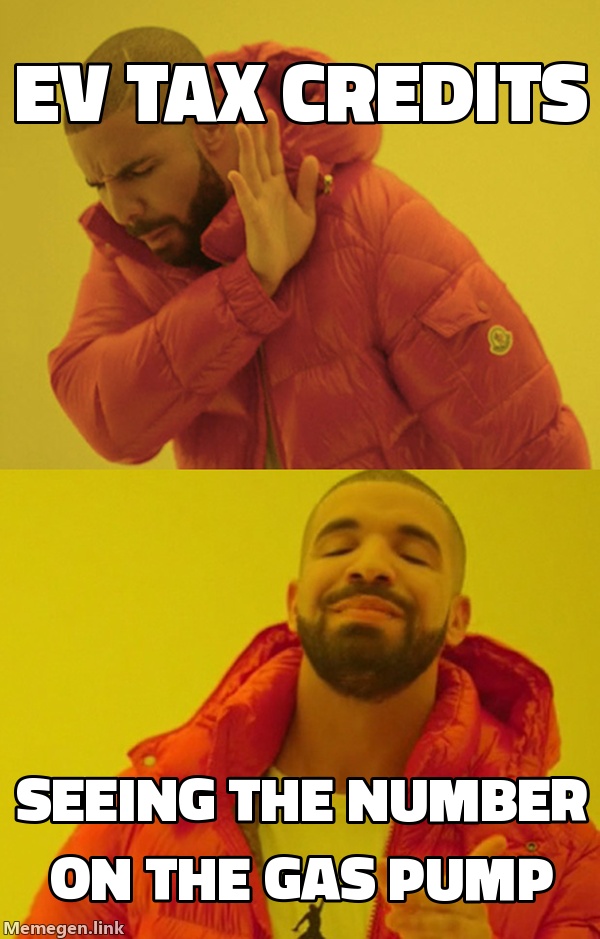
- Gas got scary enough to make EVs cool again.
- An AI bug hunter found a hole, and hackers were using it the next day.
- Tom Cruise got out-opened by an R-rated thriller.
- SpaceX found the cheapest rebrand in history: two letters.
Gas got scary enough to sell EVs again
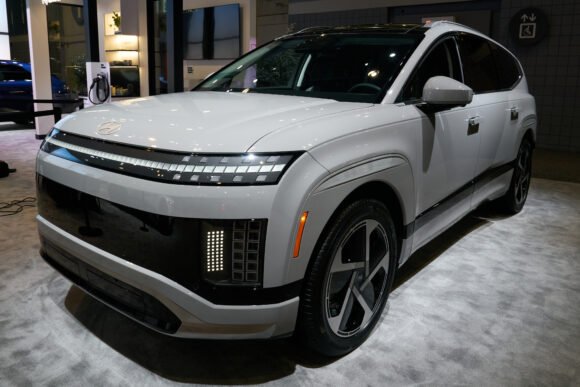
Anxiety at the pump is pushing in two directions. Governments are scrambling to add fuel supply, and drivers are scrambling away from fuel altogether.
The G7: G7 countries agreed to tap their fuel reserves and release large amounts of diesel soon to help the U.S. Diesel moves the trucks that move everything you buy, so a diesel squeeze shows up on your grocery receipt, not just at the pump. European countries signed on reluctantly and weren't entirely happy about it. It's a group project, and half the group is sighing.
Tesla & Rivian: Just when it looked like American car buyers had left EVs for dead, both Tesla (now $370.59, +4.7% 1D) and Rivian (now $14.30, -3.1% 1D) posted better-than-expected EV sales for the third quarter. Gas anxiety changes the math in your head. The fuel bill you used to ignore becomes the line item you obsess over at every red light.
Zoom out: One cause drives both stories. Scary fuel prices push allies to drain reserves on our behalf and push buyers toward the plug. Subsidies spent years trying to make EVs feel necessary. A nervous gas station did it in one quarter.
An AI winner just bought an AI loser at a decade-low price
Schneider Electric (now $68.40, +3.6% 1D) makes the electrical equipment the AI build-out runs on. On Monday it struck a $23 billion deal to buy an industrial design software company at a bargain-basement valuation. The AI boom made the hardware sellers rich, while AI fear knocked software prices down, so the shovel seller now has cash and the shop next door is on sale.
The price was a decade-low valuation, meaning Schneider paid less for this business than buyers have been willing to pay in years. Investors have been dumping software on the theory that AI eats it. Schneider is betting that theory is overcooked for software that designs real factories and machines. If your portfolio leans on software names, this is what 'oversold' looks like from the buyer's side of the table.
Did AI just break bug hunting from both ends?
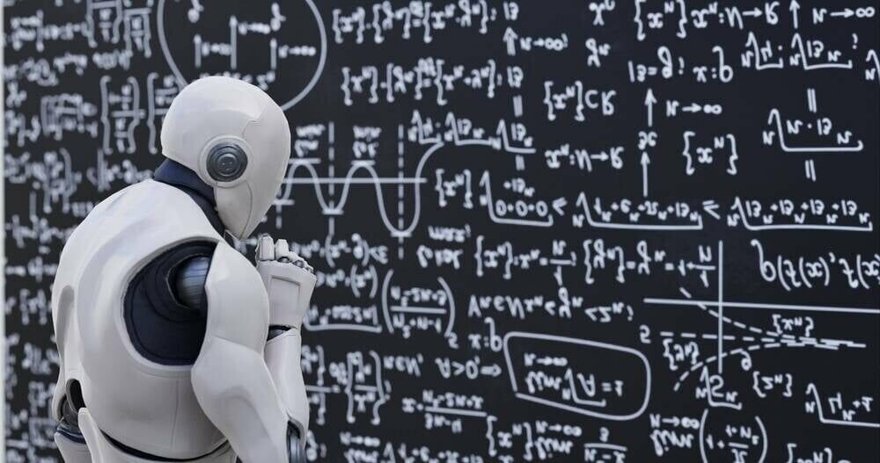
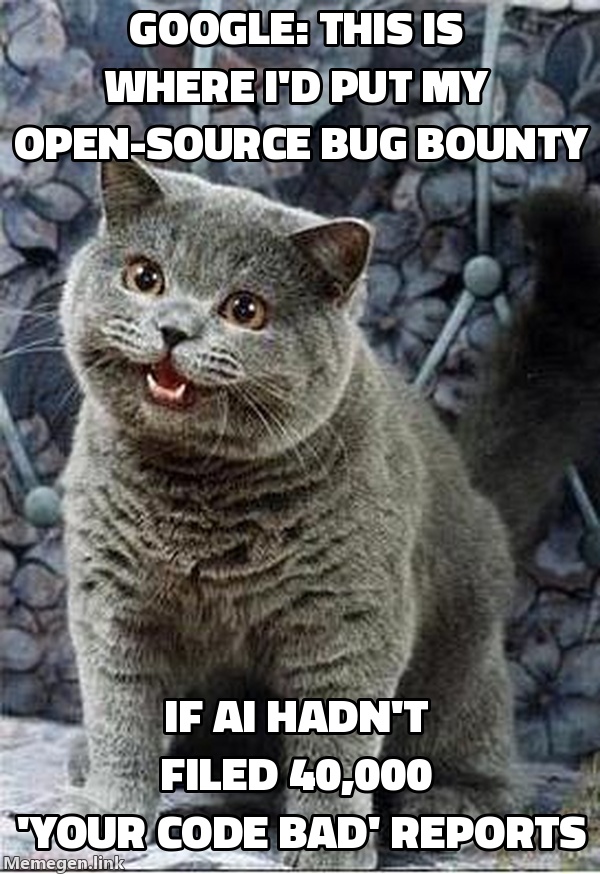
AI has made finding software flaws cheap. That cuts both ways: an elite model surfaces holes that attackers exploit within a day, while a flood of junk AI reports just made Google (now $343.50, +1.6% 1D) shut its open-source bounty window.
Anthropic's Mythos: Anthropic says Mythos is too powerful to release to the public and shares it only with select partners through Project Glasswing, which launched in April. A researcher at AI pen-testing firm Horizon3 used it to find a critical authentication-bypass bug in Rejetto HFS, an open-source web file server. The bug, CVE-2026-61500, gives an attacker full admin access and remote code execution. He disclosed it Wednesday and published a video walking through the exploit. By Thursday, an actor coming from an IP address in China was hitting real vulnerable hosts in the US and Japan. It's the second Anthropic-linked vulnerability known to be exploited in the wild. If you run HFS, update to v3.2.1 or later today.
Google: Google suspended submissions to its Open Source Software Vulnerability Rewards Program after a 'significant rise' in AI-generated reports. Bounties pay per valid bug, and AI makes filing a plausible-looking report nearly free. Volume explodes, and the humans checking each report drown in slop.
Zoom out: Cheap bug-finding turned disclosure from a public service into a starting gun. Wednesday's how-to video became Thursday's attack, a one-day gap. The attackers move at AI speed, and the people patching still move at human speed.
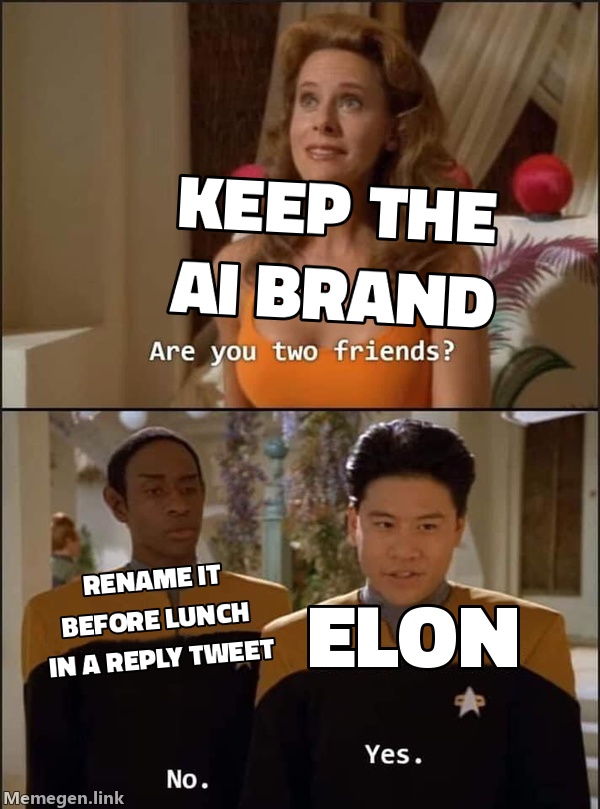
SpaceXAI is now SpaceXSI. Two letters, same robots.
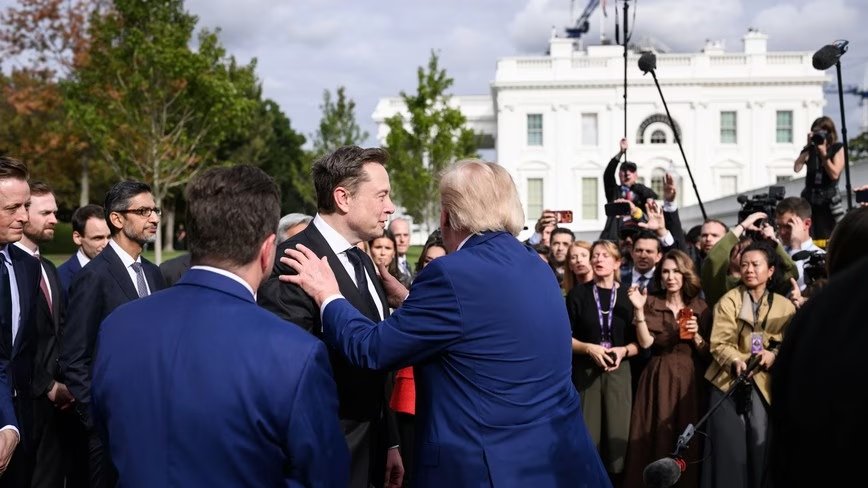
President Donald Trump issued an order directing federal agencies to drop the term 'artificial intelligence.' On Sunday, Elon Musk confirmed in a reply on X, after a user asked about it, that SpaceX's AI unit, SpaceXAI, will become SpaceXSI.
When the biggest customer on earth, the federal government, changes its vocabulary, every company that wants that business changes its own to match. The tech underneath doesn't move an inch. The two-letter swap is about speaking the same language as the people who sign the contracts. Next time a company 'pivots' to a new buzzword, check whether anything changed besides the letters.
A court tossed a killer's sentence after the victim's AI video 'forgave' him
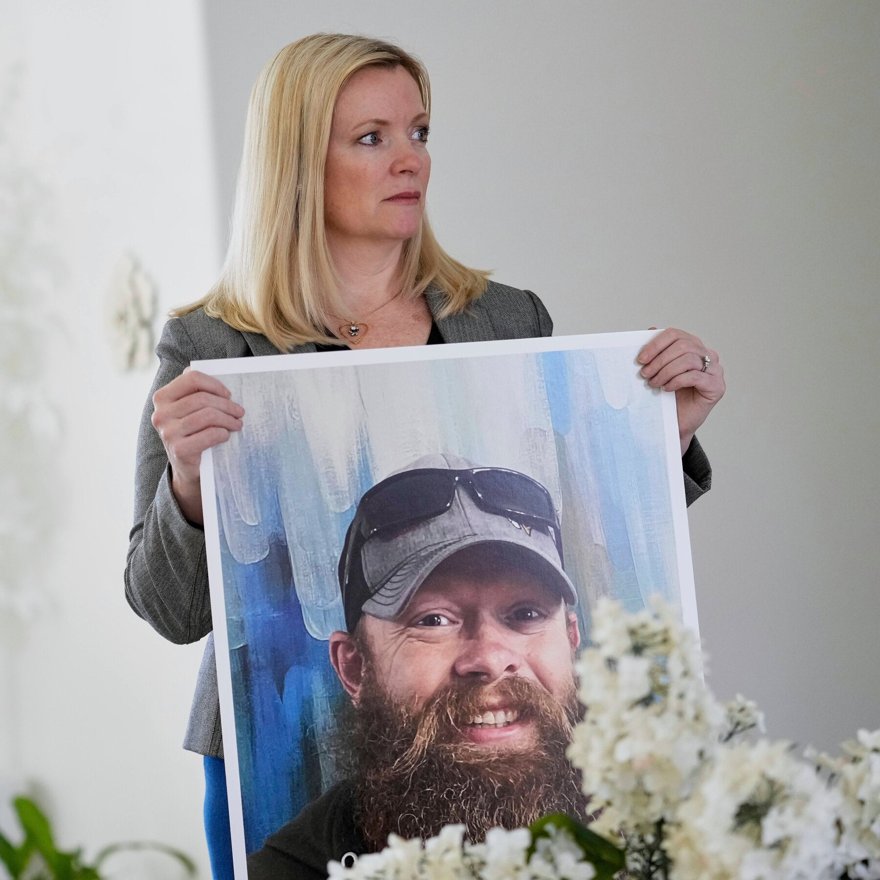
Stacey Wales used artificial intelligence to create a video of her dead brother, Christopher Pelkey, speaking at the sentencing of the man who killed him. Now an Arizona appellate court has thrown that manslaughter sentence out.
Sentencing is the one stage of a trial where emotion is supposed to be in the room. Families get to tell the judge what the loss cost them. An AI video doesn't record what Pelkey said, though. It generates what his family imagined he'd say, in his face and voice. Putting a convincing digital ghost in front of a judge gives the defense something to appeal, and here the family's tribute ended up reopening the case. If deepfakes of loved ones become normal, expect courts to start writing rules about who gets to 'speak.'
Who out-opened Tom Cruise this weekend? An R-rated Amazon thriller.

Amazon (now $251.52, +1.3% 1D) MGM Studios went head-to-head with box office king Tom Cruise, and it paid off. Its R-rated thriller Verity pulled $62.5 million in global ticket sales, including $32.7 million in North America for the weekend through Oct. 4. Cruise's black comedy Digger bombed.
An R rating shrinks your possible audience, so studios usually avoid opening against a superstar. Amazon bet the other way: a tight thriller with Anne Hathaway, Dakota Johnson and Josh Hartnett, directed by Michael Showalter, could draw a crowd on its own. It worked worldwide too. $62.5M global minus $32.7M domestic leaves roughly $29.8M from overseas. When a famous name stops guaranteeing an opening, studios start paying for stories instead of posters, which means more movies like this one at your theater.
The Dodgers had every advantage. The Braves had the 3-2 win.
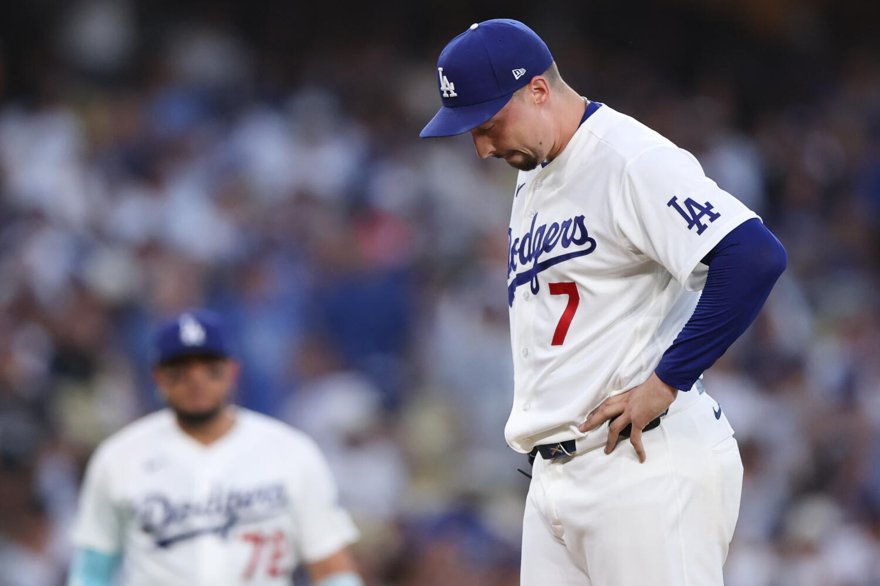
The Dodgers came into Game 2 of the NLDS against the Atlanta Braves with every advantage, then lost 3-2 Sunday night at Dodger Stadium and wasted a chance to seize control of the series.
A short playoff series shrinks the value of depth. Over a full season, a better roster wins out across dozens of games. In October, one bad inning in a one-run game can outweigh all of it. Home field and a stacked lineup raise your odds. They don't buy outcomes, and that's the whole reason people still watch.
- eToro and 10 European crypto firms are pushing a euro stablecoin. Dollar tokens hold about 99% of the market. Bold.
- The alleged ShinyHunters ringleader 'Rey' was arrested in Jordan and is reportedly helping the FBI find his crew. Snitching speedrun.
- Alleged Iranian hacker Amir Barati is headed to the US over 31TB stolen from universities. That's a lot of 'per my last email.'
- Sam Altman says the world should 'accept some bad things happening' for AI's benefits. A bold thing to say out loud.
- A Redditor sold his 30-acre hill for $70K and bought exactly 1 BTC at $69K. He plans to buy the hill back in 10 years.
| Ticker | Price | 1D | 1W | YTD |
| TSLATesla | $370.59 | +4.7% | -0.4% | -15.4% |
| SBGSYSchneider Electric | $68.40 | +3.6% | +2.5% | +23.2% |
| RIVNRivian | $14.30 | -3.1% | -7.6% | -26.3% |
| GOOGLGoogle | $343.50 | +1.6% | -0.1% | +9.0% |
| ETOReToro | $25.42 | -1.4% | -3.7% | -28.8% |
| AMZNAmazon | $251.52 | +1.3% | +0.7% | +11.1% |
| BATRAAtlanta Braves Holdings | $57.62 | -0.4% | -2.4% | +34.2% |
1D / 1W / YTD = move vs prior close / 5 sessions ago / Jan 1. Pulled fresh.


Forwarded this? Grab your own — free →
Rate today's issue or drop a hot take — just hit reply. Tell us 1–10 and what to fix; it lands straight in our inbox.
Live prices in parentheses were pulled fresh from the market (snapshot Oct 5, 2026) and move every second — they're a snapshot, not a quote you can trade on.
Bro-sclaimer: Everything here is for informational purposes only and is not financial advice. As tech-savvy bros, you know the drill — do your own research before making any investment decisions. Don't be a dummy, Bro.