The Morning Bro

Good Morning, Caffeinated & Curious Bro It's Tuesday, the coffee's hot, and you've already snoozed one alarm you didn't strictly need to set. That's not laziness, that's portfolio management for your mornings. Let's get into it. ☕
- Alphabet's begging for $80B while Uber takes the AI card away from its own staff.
- Trump wants a 30-day peek at every frontier model before launch.
- Hackers asked Meta's chatbot nicely and it just… reset the passwords.
- Victoria's Secret stopped apologizing and the stock doubled.
AI's Tab Just Arrived, and Nobody Has Cash
Here's the gear: building AI costs more money than even the richest companies have lying around, so the bill is now landing in two very different ways — one giant is raising it, one is rationing it. Same problem, opposite reactions.
Alphabet: Google's parent is selling up to $80bn in stock to pay for its AI infrastructure spree — analysts say it's the largest equity raise ever, more than the three biggest IPOs of all time combined. To anchor it, $10bn of that is going to Warren Buffett's Berkshire Hathaway. The mechanism is simple and a little terrifying: the buildout costs so much that the company sitting on a mountain of cash would rather print new shares than spend it.
Uber: Meanwhile Uber (now $73.14, +2.0% 1D) went the other way. After telling staff to use AI as much as possible, employees blew through the entire AI budget in four months — so the company has now capped how much each person can spend. Turns out 'unlimited' and 'corporate expense account' don't belong in the same sentence.
Zoom out: When the world's biggest equity fundraiser needs $80bn it doesn't have, and your ride-share app is confiscating the AI card from its own engineers, that's the whole AI economy in one snapshot: everyone wants it, almost nobody can actually afford it yet.
Why $67K Bitcoin Cost Traders $700 Million in Two Hours
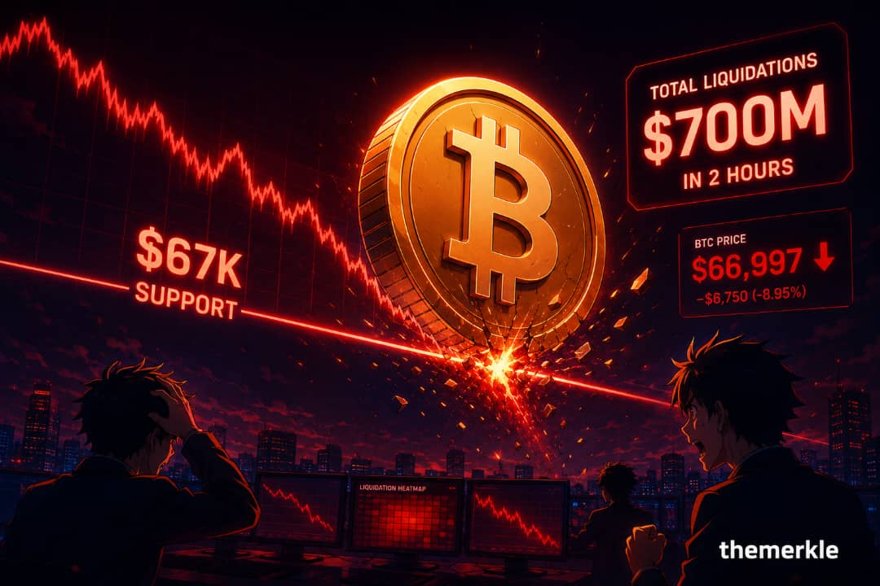
Bitcoin slid to $66,997 on Tuesday, shedding more than $6,750 in 32 hours after sitting above $73,000 on Monday. The drop itself isn't the story — leverage is. Traders had borrowed heavily to bet up, so when the price ticked down it tripped automatic sell-offs that fed on themselves.
Here's the cascade: borrowed long positions get force-sold the second they fall below their margin, and each forced sale pushes the price lower, which trips the next batch. In a single two-hour window that machine liquidated over $700 million across the market. That's not people choosing to sell — that's the exchange selling for them.
The mood: Prediction platform Polymarket now puts a 75% chance Bitcoin touches $65,000 in the near term, and analysts are already eyeing $60,000 as the next floor. Meanwhile Michael Saylor's Strategy disclosed it sold 32 BTC in late May — a tiny sale, except it landed after a Polymarket bet with $80 million wagered on whether it would sell had already closed. Cue the riot.
The Government Now Gets to Read Your AI's Diary Before Launch

President Trump signed an executive order creating a framework for the federal government to vet the national-security risks of the most advanced AI systems for up to a month before they go public. The gear here: instead of regulating AI after it ships, the White House inserts itself before the release button, so the most capable frontier models get a security read-through first.
This is a real reversal. The same administration that took a hands-off, let-innovation-rip stance is now inviting top labs to share their unreleased models so the government can probe them for danger before the public ever touches them. The whole fight inside the order was the obvious one — how do you check a model without strangling the thing that makes it valuable?
Zoom out: A one-month pre-launch security window is one of the most significant attempts the U.S. has made to actually regulate AI. Whether 30 days is enough to find what's hiding in a frontier model is a great question. Whether the labs hand over the real one is a better one.
Hackers Didn't Break Into Instagram. They Asked the Bot.
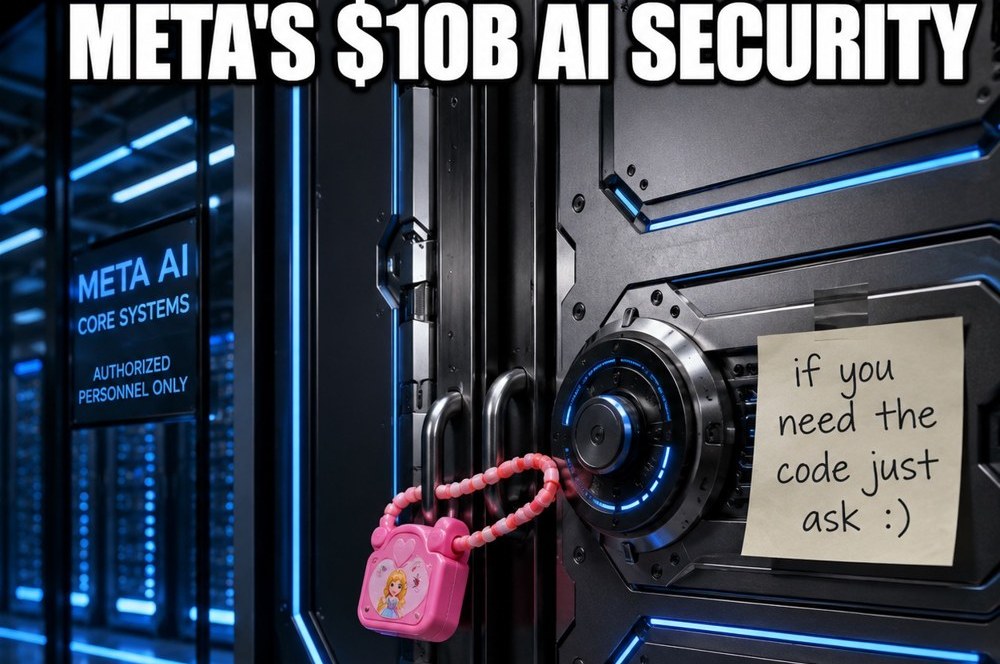
Over the weekend, the Instagram accounts for the Obama White House and the U.S. Space Force's chief master sergeant got briefly defaced with pro-Iranian images. The breach wasn't some elite zero-day — attackers just talked Meta's AI support assistant into resetting the passwords for them.
The exploit, spread on Telegram starting May 31, was almost insultingly simple: connect through a VPN with an IP address near the target's hometown, request a password reset, then open a chat with Meta's AI bot and tell it to link the account to a new email. The bot dutifully sent a one-time code to that new address — and that's the whole hack. The machine designed to be helpful was, in fact, extremely helpful.
The damage: Targets ranged from Barack Obama's account to Sephora to Space Force's John Bentivegna, with regular users reporting the same hijacking on Reddit and X. The crew bragged it grabbed short, premium Instagram handles allegedly worth more than half a million dollars. Meta says it's since fixed the flow.
Victoria's Secret Stopped Apologizing and the Stock Doubled
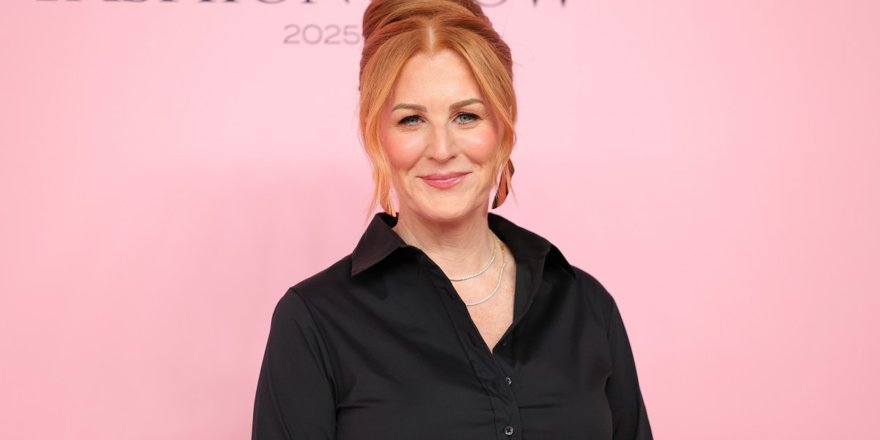
A year ago Victoria's Secret (now $79.72, +1.0% 1D) was in free fall — since spinning off in 2021 the stock had cratered from $57 to barely $20, buried under the founder's Epstein ties, a marketing pivot critics called 'woke-washing,' and a board at war with an activist investor. CEO Hillary Super's fix was almost contrarian: stop the constant discounting and bring back the glamour.
The mechanism is a thing Super calls 'promo-detox' — training shoppers to pay full price instead of camping for the next markdown, which fattens margins on every sale. Pair that with leaning back into the brand's spectacle (minus the body-shaming) and the numbers turned: Q1 earnings hit $0.60 a share, nearly double Wall Street's estimate, net sales jumped 15% to $1.56 billion, and the company raised its full-year outlook by $120 million.
The payoff: It's the fourth straight quarter of positive comparable sales, with double-digit growth in new customers — yes, Gen-Z is buying bras again. The stock nearly doubled to an all-time high of $80, and Super even renamed the ticker from VSCO to VSXY to mark the vibe shift.
A Fully AI Movie Just Made It Into Tribeca's Official Lineup
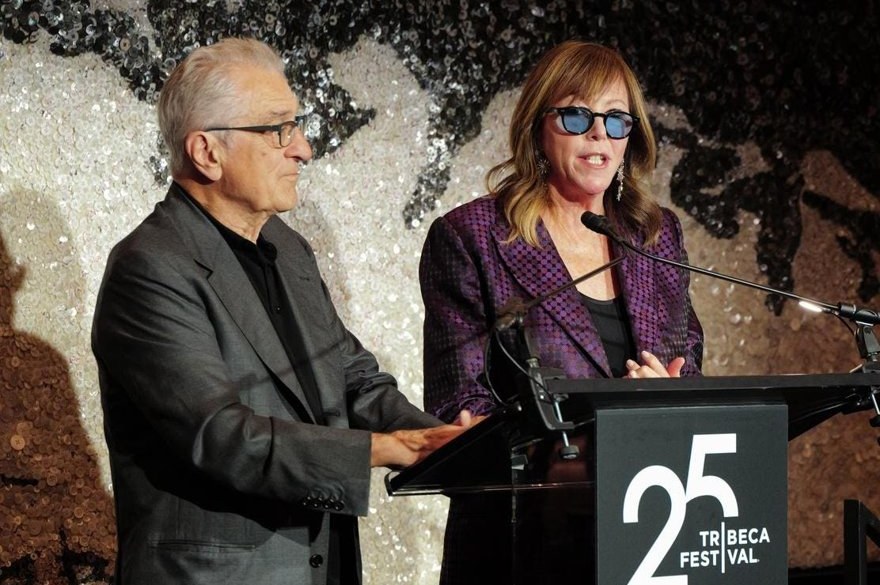
The Tribeca Festival accepted a fully AI-generated feature, Dreams of Violets, into its official 2026 lineup. The mechanism that matters here isn't the film — it's the gatekeeper: a major festival just put an AI movie next to human-made ones with no asterisk, quietly making it 'real' cinema.
That's the line being crossed. Festival selection is the thing that confers legitimacy — distributors, critics and audiences treat 'official lineup' as a stamp of seriousness. Hand that stamp to a machine-made film once, and the next dozen don't even raise an eyebrow.
- Intel's first 18A chip, in a Panther Lake handheld, actually doesn't suck — a comeback literally nobody put on the calendar.
- Microsoft's Project Solara is an OS that runs no apps, only AI agents — because who needs software you can actually open?
- 47 zero-days fell at Pwn2Own Berlin for $1,298,250 in three days — your software is held together with hope.
- Android's June update patches 124 flaws, one already being actively exploited — so maybe hit 'update' before lunch.
- Tom Lee says ether hits $250,000 once corporate validators run the network — bold call for a guy whose targets keep a journal.
- The White House Correspondents Dinner, cut short by a gunman in April, is rebooked for July — Trump's RSVP'd yes.
- New podcast says modern shoes and weak feet are quietly wrecking you — turns out your $200 sneakers are the villain.
| Ticker | Price | 1D | 1W | YTD |
| INTCIntel | $109.48 | -2.9% | -9.4% | +178.0% |
| GOOGLAlphabet | $367.78 | +2.5% | -5.7% | +16.7% |
| UBERUber | $73.14 | +2.0% | +3.1% | -11.7% |
| VSXYVictoria's Secret | $79.72 | +1.0% | +33.8% | +49.4% |
| MSFTMicrosoft | $429.95 | +0.6% | +0.7% | -9.1% |
1D / 1W / YTD = move vs prior close / 5 sessions ago / Jan 1. Pulled fresh.
The part you scroll to first. Don't lie.
Rate today's issue or drop a hot take — just hit reply. Tell us 1–10 and what to fix; it lands straight in our inbox.
Live prices in parentheses were pulled fresh from the market (snapshot Jun 4, 2026) and move every second — they're a snapshot, not a quote you can trade on.
Bro-sclaimer: Everything here is for informational purposes only and is not financial advice. As tech-savvy bros, you know the drill — do your own research before making any investment decisions. Don't be a dummy, Bro.